




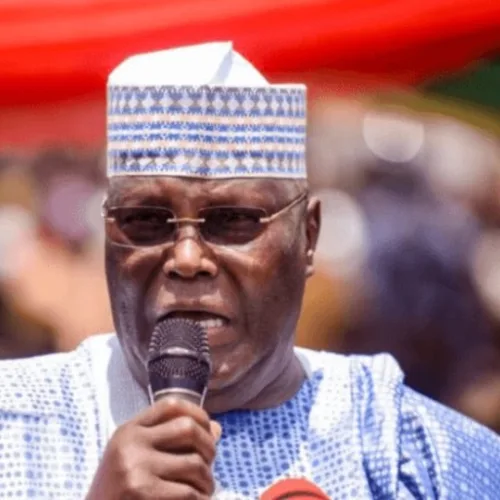
The presidential candidate of the African Democratic Congress (ADC), Atiku Abubakar, has accused President Bola Tinubu of losing control of Nigeria’s economy amid revelations that the Federal Government exceeded its 2024 borrowing limit by N4.79 trillion, bringing total fresh borrowing to N12.62 trillion.
In a statement issued by his Senior Special Assistant on Public Communication, Phrank Shaibu, the former Vice President criticized the administration’s fiscal management, noting that the Budget Office reported the government borrowed 61.2 per cent above the amount approved by the National Assembly.
Atiku highlighted an additional N3.19 trillion obtained as “budget support,” despite no such provision in the approved budget and without clear disclosure of its source. He described this as part of a broader pattern of “duplication, opacity, and reckless fiscal management” under the Tinubu administration.
The ADC candidate recalled promises that the removal of fuel subsidies, tax increases, and other reforms would reduce borrowing and restore stability. Instead, he said Nigerians are witnessing endless borrowing, rising debt, and wasteful spending.
“Atiku questioned the purpose of the massive borrowing, pointing out that it has not visibly improved key sectors. He noted that education remains in poor condition, healthcare is underfunded, security agencies lack adequate resources despite ongoing violence, and infrastructure including roads and power supply continues to deteriorate.”
He expressed concern that citizens are burdened with servicing debts that yield no tangible benefits. Atiku further highlighted a contradiction: the government reportedly received an estimated N7.98 trillion oil windfall from high crude prices, yet borrowing has continued unabated.
“A government earning windfalls while borrowing recklessly is not suffering from lack of revenue; it is suffering from lack of discipline,” Atiku said. He described the situation as “fiscal vandalism” rather than genuine economic reform, warning against mortgaging the future of future generations through unsustainable debt, duplicated budgets, and expanding bureaucracy.
This latest criticism adds to ongoing opposition concerns about Nigeria’s rising public debt and fiscal transparency under the current administration.
Click to signup for FREE news updates, latest information and hottest gists everyday
Advertise on NigerianEye.com to reach thousands of our daily users

Comments
Start the conversation about this story.