





BUA Group is investing $85 million to expand its BUA Ports and Terminals facility in Port Harcourt as it prepares to handle more than two million tonnes of imported raw materials annually for its expanding food business.
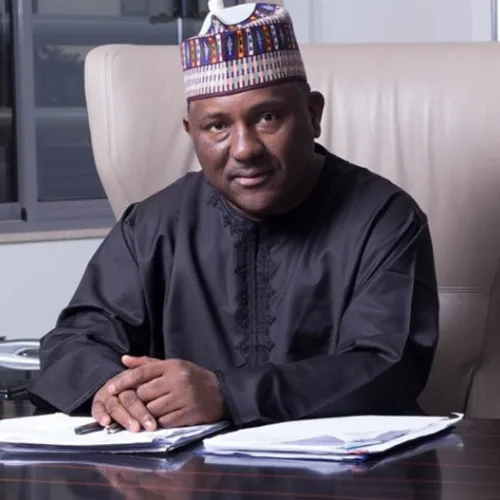
Billionaire Abdul Samad Rabiu, the group’s chairman, disclosed this during a visit to the Nigerian Ports Authority (NPA), saying the project is already at an advanced stage and is expected to be completed next year.
According to Rabiu, the expansion will provide about 600 metres of quay frontage, strengthening the company’s logistics capacity to support the rapid growth of BUA Foods in Port Harcourt.
“We’ve gone very far…By the time we are done with the expansion next year, we’ll be importing over two million tonnes of raw materials through Port Harcourt, and for that we need a terminal and the necessary facilities,” he said.
Read also: BUA signs Abu Dhabi deal to build Nigeria-UAE sugar exports corridor
Rabiu said the investment would support BUA’s operations across its food business and other industrial segments, including cement, mining and infrastructure plus improve the infrastructure that can help Nigeria realise its economic potential.
BUA is the terminal operator and concessionaire for Terminal B in Rivers Port. Last year, the company said it had invested $65 million of its own capital into the terminal to create an alternative corridor for bulk cargo.
“In the medium term post-upgrade, BUA Ports and Terminals is targeting 3 to 5 million tonnes of throughput annually, and vessel dwell times of 24-48 hours. That will match regional benchmarks and significantly improve efficiency,” a representative of the company told BusinessDay.
Abubakar Dantsoho, managing director of the Nigerian Ports Authority, during the visit, said the investment would boost cargo throughput and strengthen activity at Nigeria’s eastern ports, which have been popularly considered neglected.
Dantsoho said the project could support cargo growth of about 13 to 14 per cent, adding that increased cargo volumes would translate into higher revenue for the ports and the government.
“We expect that we are going to have more volumes. Once you have volumes, then you have more value, then more dollars and more naira will come. And that is what is required,” he said.
Dantsoho also said greater private-sector investment is key to improving the competitiveness of Nigeria’s port system.
Bethel Olujobi reports on trade and maritime business for BusinessDay with prior experience reporting on migration, labour, and tech. He holds a Bachelor's degree in Mass Communication from the University of Jos, and is certified by the FT, Reuters and Google. Drawing from his experience working with other respected news providers, he presents a nuanced and informed perspective on the complexities of critical matters. He is based in Lagos, Nigeria and occasionally commutes to Abuja.

Comments
Start the conversation about this story.