





A potentially deadly virus spread by ticks seems to have established a foothold in New York, recent research shows.
Scientists at Stony Brook University and others studied the blood of New York residents with suspected tickborne illness. They identified at least one confirmed case of the Bourbon virus in a Long Island man, who ended up hospitalized but survived his ordeal. Though human cases of Bourbon virus are rarely reported, it’s probably happening more often than assumed, the researchers say.
“There are a lot of lone star ticks in New York and in the Northeast, we have dense populations, and when someone is infected with Bourbon virus symptoms they are similar to other tick-born infections,” said lead researcher Luis Marcos, director of the Tickborne Disease Clinic at Stony Brook, in a statement from the university. “For these reasons, the Bourbon virus is likely more prevalent than we think in our region and other cases are likely not being diagnosed.”
The Bourbon virus
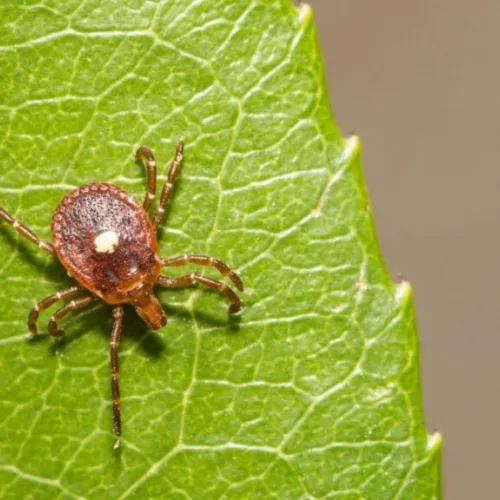
The Bourbon virus is named after Bourbon County, Kansas, where it was first discovered in a human patient in 2014 (the patient ultimately died 11 days after becoming sick). Symptoms of infection include fever, fatigue, and body aches, as well as nausea and vomiting; people can also develop low platelet and white blood cell levels. Its primary vector is the lone star tick (Amblyomma americanum). There are no specific treatments or vaccines for Bourbon.
There have only been a handful of confirmed Bourbon virus cases since its discovery, mostly in the U.S. Midwest. But the lone star tick is widely distributed throughout the Midwest and Southeastern U.S., and like many tick species, its range has only expanded over time, including through much of the Northeast.
The Bourbon virus has previously been found in New York populations of lone star ticks, and it’s been suspected in at least one human case of tickborne illness prior to this newest research. But the authors say theirs is the first conclusive evidence that it’s sickening residents in the state.
The team examined blood samples from 107 individuals with possible symptoms of tickborne illnesses that were collected between 2019 and 2024. Two people tested positive for neutralizing antibodies to Bourbon, while one person experienced a dramatic rise in levels of these antibodies during the study period, suggesting an acute or recent infection.
“This serologic evidence indicates that these patients were infected with emerging viral tick-borne pathogens,” the researchers wrote in their paper, published this May in The American Journal of Tropical Medicine and Hygiene.
Though this case wasn’t identified by name in the study itself, the person has since disclosed their identity to the media: a 67-year-old Suffolk County resident named Michael Larkin.
Larkin developed a debilitating set of symptoms soon after pulling two lone star ticks from his leg, including rash, fever, chronic headaches, and night sweats. He was hospitalized for several days, where he received supportive care from Marcos and his team at Stony Brook. He eventually recovered.
“This one case certainly was the Bourbon virus, and over a one-month period antibody titers increased eight-fold. The patient had shown some very severe symptoms and was hospitalized,” Marcos said.
Rare but real
Rare as the Bourbon virus might be, it’s one of many tickborne diseases that are likely becoming a bigger problem in the U.S. Right now, there are very few labs in the country that can even test for the virus, and doctors aren’t required to report suspected cases to their health department. So we’re largely in the dark as to the true danger of the Bourbon virus in New York and elsewhere.
The team’s work, the authors say, “further highlights the need for expanded viral surveillance, clinical testing, and assay development to improve clinical decision-making and inform tick-borne disease epidemiology and vector management.”
Whatever the disease or species of tick, there are prudent steps you can take to lower your risk of tickborne illnesses when visiting wooded or other areas where ticks are likely to be found. These include: using EPA-registered repellents containing DEET, picaridin, IR3535, or Oil of Lemon Eucalyptus (OLE); wearing clothing treated with permethrin, an effective pesticide; and always staying on trail centers and avoiding walking through brushy patches of land, especially during peak tick season (April to September).
Comments
Start the conversation about this story.