





… Oxford-led research to strengthen Nigeria’s vaccine surveillance, boost public confidence
By Chioma Obinna
Nigeria’s battle against fake and substandard vaccines has received a major boost as the National Agency for Food and Drug Administration and Control, NAFDAC, joined a £3.7 million international research consortium aimed at strengthening vaccine quality surveillance and protecting millions of people from compromised vaccines.
The three-year initiative, funded through the United Kingdom’s Medical Research Council (MRC) Developmental Pathway Funding Scheme, will develop and validate cutting-edge technologies capable of detecting degraded, substandard and falsified vaccines before they reach patients.
The project, led by the University of Oxford through its Medicine Quality Research Group, brings together leading global institutions, including NAFDAC, Obafemi Awolowo University, the Medicines and Healthcare products Regulatory Agency, the University of East London and the Mahidol Oxford Tropical Medicine Research Unit in Thailand.
The collaboration is expected to strengthen Nigeria’s post-marketing vaccine surveillance system by evaluating innovative screening devices, expanding routine vaccine lot-release laboratory testing and conducting health economics studies to determine the most cost-effective approaches for monitoring vaccine quality.
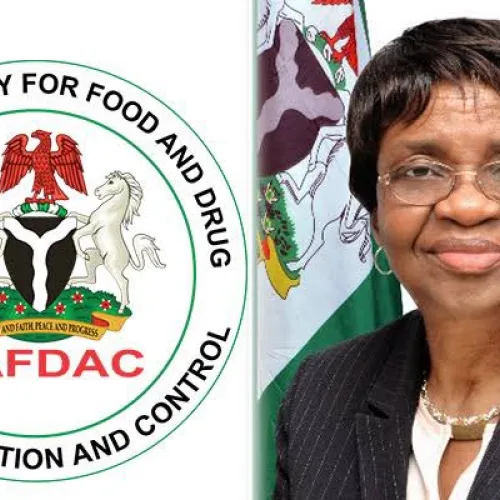
Speaking on the significance of the initiative, NAFDAC Director-General, Prof. Mojisola Christianah Adeyeye, said the partnership underscores the agency’s commitment to safeguarding public health through science, innovation and international collaboration.
According to her, the project will reinforce Nigeria’s regulatory capacity while generating evidence to support the deployment of rapid screening technologies capable of verifying vaccine quality throughout the supply chain.
“This initiative aligns with NAFDAC’s commitment to protecting public health through science-driven regulation, innovation and international collaboration, while reinforcing public confidence in the safety, quality and effectiveness of vaccines,” she said.
The research builds on the Vaccine Identity Evaluation (VIE) Consortium established during the COVID-19 pandemic to address the growing global threat posed by falsified and degraded vaccines.
Previous studies by the Oxford-led Medicine Quality Research Group successfully adapted advanced scientific techniques to detect compromised vaccines within supply chains. The new phase will further refine those technologies before testing them under conditions similar to routine vaccine distribution systems in Nigeria.
Under the project, NAFDAC will play a pivotal role in implementing vaccine quality surveillance activities, providing scientific evidence to support regulatory decisions and strengthening the country’s immunisation programme.
The initiative comes at a time when ensuring the integrity of vaccine supply chains has become increasingly important amid rising global concerns over counterfeit medical products and the need to sustain confidence in vaccination programmes.
Beyond laboratory testing, the project will also evaluate the economic value of different screening methods, helping regulators identify the most efficient and sustainable approaches for nationwide deployment.
The findings could shape future vaccine quality assurance strategies not only in Nigeria but also across other low- and middle-income countries facing similar regulatory challenges.
The project is expected to generate critical evidence for the implementation of innovative technologies that can verify vaccine quality at different points within the supply chain, helping to strengthen immunisation programmes, improve regulatory oversight and boost public trust in vaccines.
Comments
Start the conversation about this story.