





Minister of Budget and Economic Planning, Senator Abubakar Atiku Bagudu, has called for stronger collaboration between the Federal Government, humanitarian organisations, and development partners to ensure that ongoing economic reforms deliver tangible benefits to vulnerable and underserved Nigerians.
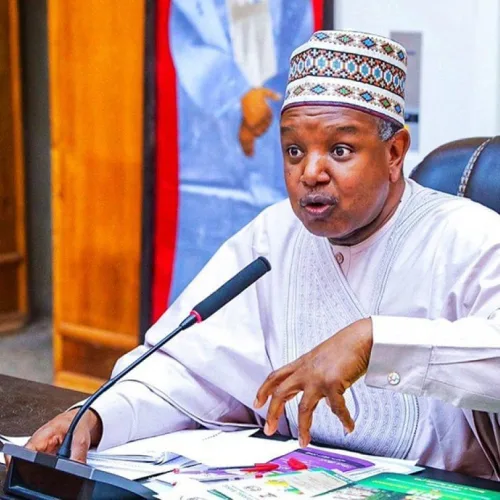
Speaking at the Catholic Relief Services (CRS) Nigeria Impact Showcase in Abuja on Tuesday, Bagudu said addressing Nigeria’s complex development challenges requires collective action.
He praised CRS for complementing government efforts by identifying gaps in service delivery and reaching communities that may otherwise be excluded from intervention programmes.
The minister commended the organisation’s humanitarian work and commitment to inclusion, noting that its interventions transcend religious affiliations and make meaningful contributions to Nigeria’s development goals.
“Peace and harmony are ensured when all are included. That is why the role of organisations such as the Catholic Relief Services is important. They help us identify not only the issues in our society but also those who are missed out despite the best-designed interventions,” Bagudu said.
He described the CRS Impact Showcase as an important platform for government and development partners to assess progress, identify areas for improvement, and deepen collaboration to achieve greater impact.
Bagudu reiterated that the economic reforms being implemented by the administration of President Bola Ahmed Tinubu are aimed at repositioning the economy, boosting productivity, and laying the foundation for sustainable growth.
He acknowledged, however, that such reforms often affect different segments of society unevenly, explaining that this informed the government’s decision to introduce targeted support programmes for low-income households, small businesses, traders, and farmers.
“Whenever you implement bold reforms, whether at the family, community, or national level, they will have disproportionate effects on different parts of the populace. Therefore, we have to be more deliberate,” he said.
The minister also pointed to global economic pressures—including international conflicts, trade tensions, rising energy costs, and increasing prices of agricultural inputs such as fertiliser—as factors compounding Nigeria’s economic challenges.
According to him, these developments have placed additional burdens on farmers, transport operators, businesses, and households, making partnerships with humanitarian and development organisations even more essential.
While highlighting ongoing government interventions, Bagudu admitted that more work is needed to ensure assistance reaches those who need it most. He stressed the importance of leveraging the grassroots experience of humanitarian organisations to improve the effectiveness of government programmes.
“We must recognise that those who have been supporting us must work with government so that, where our reach has not been effective, we can strengthen them. And where we have learning to do, we should also be humble enough to acknowledge that,” he said.
Bagudu further noted that Nigeria’s federal structure provides opportunities for enhanced collaboration among the Federal, State, and Local Governments, alongside organisations committed to humanitarian assistance, empowerment, and inclusive development.
He reaffirmed the Federal Government’s commitment to working with CRS and other development partners to advance national development objectives and improve the welfare of Nigerians.
Please follow and like us:
Comments
Start the conversation about this story.