





…seeks inputs from stakeholders, public for inclusivity
The Presidential Working Group on the National Policing Bill has rolled out national safeguards for the establishment of state police in the country.
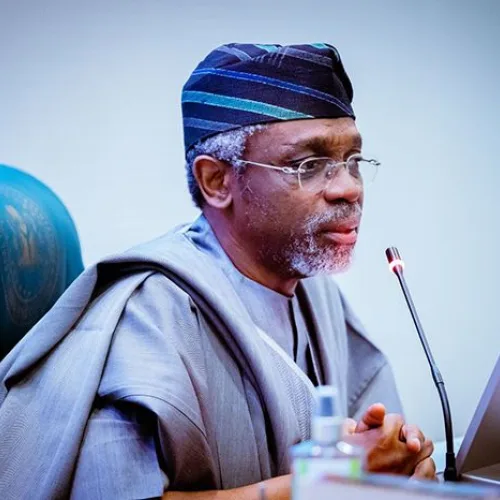
The Chairman of the group and the Chief of Staff to the President, Rt. Hon. Femi Gbajabiamila, in an interaction with State House Correspondents on Monday, said the group has invited inputs from stakeholders and the general public to ensure inclusivity in the preparation of the National Policing Bill.
Gbajabiamila said the government was aware that passing a law on state policing without prescribed standards would not only make its implementation discretionary but dangerous.
He said, “The Government is proceeding on a clear principle: local policing capability must be matched by national safeguards. State Police cannot mean thirty-six state militias, just as national standards cannot become a disguised method of re-centralising day-to-day State policing.
“States must have a legitimate policy voice on public safety, but no political officeholder should be able to direct the arrest of an opponent, the suppression of lawful political activity or the selective enforcement of the law.
“Federal intervention must remain exceptional, evidence-based, proportionate, time-limited and reviewable. Officers must answer to the Constitution and the law, not to personal or partisan instruction.
He added, “Operational commencement must also be based on readiness, not announcement. A proposed State Police Service must demonstrate that it has credible arrangements for recruitment, vetting, training, pay, pensions, equipment, custody, complaints, discipline, data, firearms control, independent oversight and financial sustainability before it begins policing.
National standards will be the baseline; States may establish higher standards; however, no Nigerian should receive a lower standard of protection because of where they reside.”
Talking about public participation and inclusivity, the group chair said: “Public participation is an integral part of this process.
“To that end, I am announcing an open call for memoranda, position papers and practical proposals from Nigerians at home and abroad, professional bodies, civil society, security institutions, State and local actors, experts and other stakeholders to inform and improve the legislative proposals and other deliverables that the Working Group will produce.
“Those submissions will be organised by theme and recorded. When the completed draft is ready, the national consultation will allow Nigerians to engage with the actual clauses, safeguards, funding proposals and transition arrangements. The process will show not only what was submitted, but how material proposals were considered.”
On the fear of abuse or misapplication of the law and other worries highlighted by critics, Gbajabiamila said: “We recognise the concerns that accompany this reform: the fear of political abuse, unequal State capacity, duplication of commands, poor funding, ethnic or sectional capture, and the possibility that new institutions could reproduce old failures.
Those concerns are legitimate. They are precisely why the constitutional amendment cannot be treated as self-executing and why the National Policing Bill must be comprehensive. Safeguards are not obstacles to State Police; they are what make State Police credible, lawful and sustainable.
“This reform will not, by itself, solve every security problem in Nigeria. No law can substitute for good leadership, competent officers, reliable intelligence and adequate resources.”
Please follow and like us:
Comments
Start the conversation about this story.