




The federal government has increased the number of universities offering autism-related programmes in Nigeria to about 16 from the previous four.
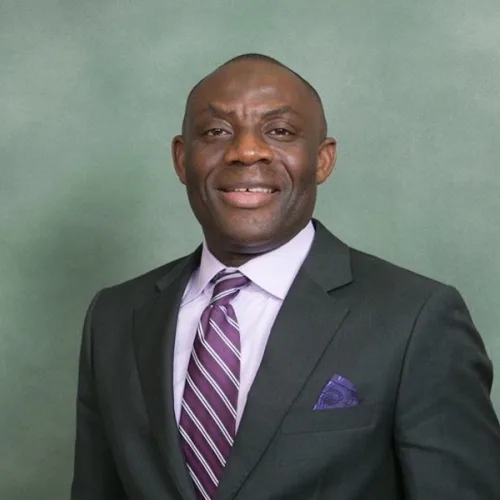
Tunji Alausa, minister of education, stated this on Wednesday during an engagement with stakeholders in Abuja, noting that the centres have been spread across the six geopolitical zones of the country.
In a statement on Wednesday by Ikharo Attah, his media aide, Alausa said the move is aimed at transforming autism care in Nigeria through expanded specialist training and increased investment in existing tertiary institutions with autism centres.
The minister noted that the initiative represents a significant step towards addressing the country’s shortage of highly skilled professionals in audiology, speech and language therapy, and occupational therapy.
He added that the administration is committed to expanding the programmes to more institutions to meet the growing demand for services for children living with autism, Attention Deficit Hyperactivity Disorder (ADHD), and other developmental conditions.
“Our Federal Government, through the Ministry of Education, is supporting this by expanding the number of institutions offering programmes in Audiology, Speech Therapy and Occupational Therapy,” the minister was quoted as saying.
“We have moved from about four universities to almost sixteen universities, but we want even more institutions to train the manpower needed to support these essential services.”
Alausa said the President Bola Tinubu administration is investing in the human capital needed to strengthen diagnosis, therapy, and rehabilitation services while ensuring Nigerian families can increasingly access quality care within the country.
‘ACCESSING AUTISM CARE ABROAD UNACCEPTABLE’
The minister expressed displeasure that many Nigerian families still travel abroad and even to neighbouring countries in search of specialised care for children with autism and ADHD due to limited local capacity, describing the situation as unacceptable.
“Today, many families still have to travel outside Nigeria to access care for their autistic children. This is not acceptable, and the federal government is determined to change that,” he said.
To accelerate the reforms, Alausa said the government would provide targeted interventions to universities offering the specialised programmes from the beginning of 2027.
“The support will include the expansion of infrastructure, provision of modern equipment and instructional materials to significantly increase institutions’ capacity to train professionals in Audiology, Speech Therapy and Occupational Therapy,” he said.
He added that the ministry of education has directed the National Board for Technical Education (NBTE) to fast-track the accreditation of the Federal School of Occupational Therapy and the Occupational Therapy diploma programme at the University of Benin (UNIBEN).
Alausa said the government would also establish autism centres in each of the six geopolitical zones from the beginning of next year.
According to him, the centres will provide comprehensive diagnostic and therapeutic services, promote research, and serve as regional centres of excellence supporting families, healthcare professionals, and educational institutions.
He reaffirmed the ministry’s commitment to working with universities, regulatory agencies, and professional bodies to expand specialist training, strengthen institutional capacity, and advance research and innovation in autism care in line with the Tinubu administration’s Renewed Hope Agenda.
Click to signup for FREE news updates, latest information and hottest gists everyday
Advertise on NigerianEye.com to reach thousands of our daily users

Comments
Start the conversation about this story.