





A healthy nation begins with healthy citizens. No country can achieve sustainable development when preventable diseases continue to claim lives, when mothers die giving birth, or when children fail to receive basic healthcare. For Nigeria, strengthening primary healthcare remains one of the surest paths to improving the wellbeing of its people. The recent disbursement of N32.9 billion to support more than 8,300 primary healthcare centres across the country is therefore a welcome development. It reflects commitment to ensuring that quality healthcare is not reserved for a privileged few but reaches communities where it is needed most.
Primary healthcare is the foundation of every successful health system. It is the first point of contact between citizens and healthcare services. It is where pregnant women receive antenatal care, where children are immunised, where common illnesses are diagnosed and treated early, and where health education helps families prevent diseases before they occur. When this foundation is strong, the entire healthcare system becomes more efficient.
Therefore, the federal government deserves commendation for sustaining investments through the Basic Healthcare Provision Fund established under the National Health Act of 2014. The disclosure by the Minister of State for Health and Social Welfare, Dr. Iziaq Adekunle Salako, that N339 billion has been disbursed over the last 12 years, including N235 billion released within the last three years, demonstrates a renewed effort to strengthen healthcare delivery at the grassroots. Equally encouraging is the ongoing move to increase the statutory allocation to the fund from one per cent to two per cent of the Consolidated Revenue Fund.
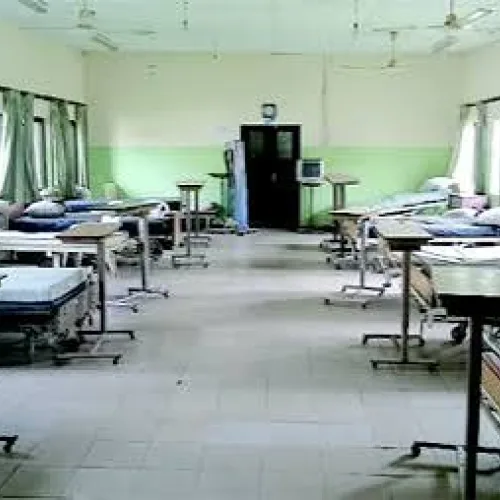
Yet, while the recent funding deserves applause, the greater challenge lies in sustaining it. Healthcare cannot flourish through occasional interventions. It requires predictable funding, regular monitoring and consistent support from all levels of government. Primary healthcare centres must not become abandoned buildings with empty shelves, broken equipment and inadequate personnel shortly after commissioning. Funding should be continuous, transparent and tied to measurable improvements in service delivery.
The planned expansion to about 13,000 functional primary healthcare centres across Nigeria holds enormous promise. It means that millions of Nigerians, particularly those in rural and underserved communities, will have easier access to healthcare without travelling long distances or spending money. Many illnesses that often become life-threatening because of delayed treatment can be detected and managed early. Diseases such as malaria, hypertension, diabetes and respiratory infections can be diagnosed before complications arise, reducing the burden on secondary and tertiary hospitals.
Perhaps, nowhere is the impact of functional primary healthcare more evident than in maternal and child health. Too many Nigerian women still lose their lives during pregnancy and childbirth because skilled healthcare is unavailable or inaccessible. Thousands of newborns also die from preventable causes every year. Well-funded primary healthcare centres can reverse this trend by providing routine antenatal services, safe delivery, postnatal care and emergency referrals where necessary.
Children also stand to benefit immensely. Routine immunisation programmes conducted through primary healthcare centres protect children against diseases such as measles, polio, tuberculosis and hepatitis. Expanded access means higher immunisation coverage, fewer disease outbreaks and lower childhood mortality. Healthy children are more likely to attend school regularly, learn effectively and grow into productive adults. In this way, investment in healthcare today becomes an investment in Nigeria’s future workforce.
A wider network of primary healthcare facilities also strengthens the country’s preparedness for disease outbreaks. Communities with functioning clinics are better positioned to detect unusual health conditions early, report them promptly and prevent them from spreading. Lessons from previous outbreaks have shown that early detection and rapid response save both lives and public resources.
Beyond the direct health benefits, stronger primary healthcare delivers significant economic gains. Healthy citizens are more productive workers, successful entrepreneurs and active contributors to national development. Families spend less on emergency medical treatment, reducing the financial hardship caused by illness. Businesses experience fewer lost workdays due to sickness, while government spends less managing diseases that could have been prevented through timely intervention.
Healthcare is not merely a social service; it is an investment in national prosperity. Roads, bridges and industries are essential, but none can substitute for a healthy population capable of driving economic growth. Every naira invested in primary healthcare yields returns in longer life expectancy, stronger families, improved productivity and greater national resilience.
Nigeria has taken an important step by expanding support for primary healthcare. The journey, however, must not end with the release of funds. What matters is sustained financing, prudent management, adequate staffing, modern equipment and continuous accountability.
Comments
Start the conversation about this story.