





How Nigerian investors should prepare before subscribing
After more than two years of delays and speculation, the Dangote Refinery IPO has entered its final regulatory phase. Dangote Petroleum Refinery has submitted its application to the Securities and Exchange Commission for what could become the largest initial public offering in African capital markets.
Subject to regulatory approval, the prospectus is expected in September, with the public offer targeted for October. The transaction is expected to raise about $5 billion, valuing the refinery at between $40 billion and $50 billion.
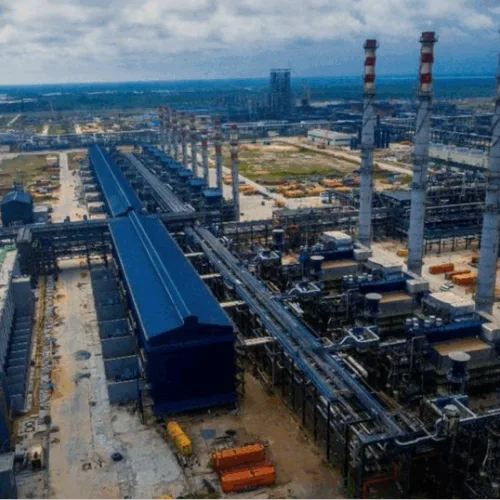
For investors, the question is no longer whether the IPO will happen. It is whether they will be ready when subscriptions open. The listing is significant not only because of its size but also because it gives investors access to one of Africa’s largest industrial assets. Built at an estimated cost of $20 billion, the refinery has reached its nameplate capacity of 650,000 barrels per day, supplying most of Nigeria’s petrol demand while exporting refined products to regional and international markets.
One feature could make the offer particularly attractive. Dangote has indicated that investors will subscribe in naira while having the option of receiving dividends in US dollars, subject to regulatory approval. If implemented, it would create a rare opportunity for Nigerian investors to earn foreign-currency income from a domestic listed company.
Portfolio managers are already positioning for the offer. Some institutional investors have reduced exposure to large-cap banking and industrial stocks to build liquidity ahead of the IPO. That selling pressure should not necessarily be interpreted as weakening confidence in the broader market. It is a reflection of portfolio reallocation before a transaction expected to absorb substantial capital.
For retail investors, this could present opportunities beyond the IPO itself. Quality companies may temporarily trade below intrinsic value as institutions raise cash, creating attractive entry points for patient investors.
The IPO’s investment case, however, will depend less on its scale than on its valuation. Until the prospectus is published, investors do not know the final offer price, dividend policy, debt profile or financial projections. Those details, not the headlines, will determine whether the shares offer long-term value.
Five questions deserve close attention. Is the valuation reasonable compared with global refining peers? How much debt remains after construction? How resilient are earnings under different oil-price scenarios? How secure is crude supply under Nigeria’s Domestic Crude Supply Obligation framework? And has the proposed dollar-dividend structure received all necessary regulatory approvals?
The crude supply issue is particularly important. While the refinery is operating at full capacity, management has acknowledged challenges in securing sufficient domestic crude. Investors should assess how those risks are addressed in the prospectus rather than assume operational success removes commercial uncertainty.
The weeks before the offer are the best time to prepare. Investors should ensure their brokerage accounts are active, decide in advance how much capital they are willing to commit, and read the prospectus carefully once it becomes available. They should also be prepared for the possibility of partial allocation if demand exceeds supply.
The significance of the listing extends beyond one company. A successful Dangote Refinery IPO would deepen liquidity on the Nigerian Exchange, broaden market capitalisation and strengthen confidence in Nigeria’s capital markets. It could also encourage other large privately owned businesses to seek public listings, expanding investment opportunities over time.
In the coming weeks, commentary and speculation will dominate market conversations. Investors should focus instead on the prospectus. Understanding the valuation, governance, financial strength and risks will matter far more than the excitement surrounding Africa’s biggest IPO.
The investors most likely to benefit will not be those who move first, but those who prepare early, analyse carefully and invest with discipline.
Abayomi Fashina, BSc, MSc, AAT, ACA, Lead, Enterprise Risk Management, STL Trustees Limited


Comments
Start the conversation about this story.