





Women and young girls have been urged to speak up and seek justice whenever they become victims of Technology-Facilitated Gender-Based Violence (TFGBV), rather than suffering in silence or abandoning the pursuit of justice.
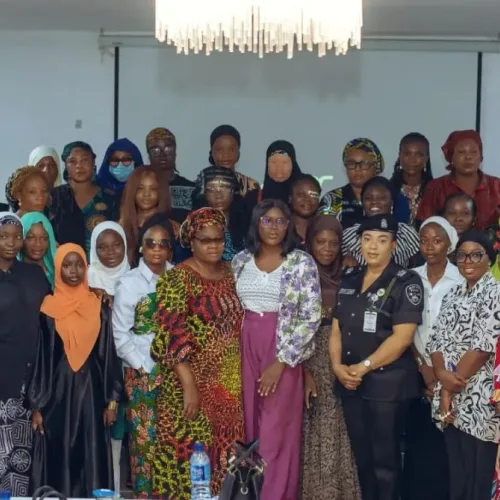
The call was made on Thursday in Ilorin, the Kwara State capital, at a workshop organised by the Webfala Digital Skills for All Initiative (WDSFAI) to examine the impacts of TFGBV on women and how it could undermine their participation in the forthcoming 2027 general elections.
The workshop, themed “Digital Voices: Empowering Nigerian Women Against TFGBV,” brought together young women in politics, public leadership and the media, alongside stakeholders who highlighted the growing threats posed by online abuse and the need for collective action to create safer digital spaces for women.
Speaking at the event, the Police Public Relations Officer (PPRO) of the Kwara State Police Command, SP Adetoun Ejire-Adeyemi, lamented that many victims and their families often abandon the pursuit of justice after experiencing gender-based violence, adding that, silence protects the offenders, while reporting protects the society.
She stressed that digital safety has become an essential aspect of personal security because women now rely heavily on digital platforms for business, education, healthcare, banking, politics, relationships and entertainment.
“Many people unknowingly leave their digital lives completely exposed. Today, our phones are our homes. Our social media accounts are our identities. Our online presence deserves equal protection. Digital safety is personal safety because violence no longer requires physical contact,” she said.
Ejire-Adeyemi further noted that many victims fail to report abuse due to fear of being blamed, judged or disbelieved, urging families and friends to provide support instead of discouraging them from seeking justice.
She assured participants that the Nigeria Police Force would continue to investigate cyber-enabled crimes, preserve digital evidence, arrest offenders, collaborate with relevant cybercrime agencies, protect victims and intensify public awareness on online safety.
While highlighting the legal protections available to victims, including the Cybercrimes (Prohibition, Prevention, etc.) Act, the Violence Against Persons (Prohibition) Act and relevant provisions of the Criminal and Penal Codes, the police spokesperson stressed that women have the right to digital privacy, online safety, dignity, justice and protection.
She called on governments to strengthen legislation and enforcement, technology companies to improve reporting systems and promptly remove abusive content, while urging schools to promote digital citizenship and parents to monitor their children’s online activities.
“Technology should create opportunities, not fear. Protecting women online is a shared responsibility involving government, families, schools, technology companies, civil society and every Nigerian,” she added.
Also speaking, the Executive Director of the Dorothy Njemanze Foundation, Dorothy Njemanze, warned that technology-facilitated gender-based violence often leaves victims with depression, anxiety, fear, isolation, shame, damaged careers, broken relationships and, in extreme cases, suicidal thoughts. She called for stronger collaboration among stakeholders to curb the growing menace.
A women’s advocate and Founder of Females Around The World, Abigail Badakin, urged women to strengthen their digital literacy knowledge and protect their privacy in online communication by limiting the personal information they share online. She encouraged participants to adopt stronger passwords, enable two-factor authentication, avoid sharing intimate images under pressure, verify online identities and promptly report suspicious online activities.
Earlier, the Project Lead of the initiative, Joy Ajibola, said Nigerian women remain among the biggest victims of technology-facilitated gender-based violence, noting that online harassment, smear campaigns and digital attacks against women often intensify during election periods, particularly against female aspirants and public office holders.
She said the workshop was organised to equip young women with practical knowledge on recognising and preventing online abuse, including cyberstalking, doxing, sexist harassment and catfishing, while empowering them to participate confidently in politics and public life without fear of digital intimidation and abuse.
Please follow and like us:
Comments
Start the conversation about this story.