





Obtaining citizenship in some countries remains one of the most challenging processes for foreigners, with strict residency rules, language requirements, cultural expectations and limited pathways for naturalisation making approval difficult.
While citizenship laws differ from country to country, several nations are frequently ranked among the most restrictive due to the difficulty ordinary applicants face in meeting eligibility conditions or receiving approval.
At the top of a list compiled by MSN, a web portal and online services platform that provides news, entertainment, lifestyle content, weather, sports updates, finance information and other digital services on Friday, these are countries where citizenship is considered extremely rare or almost impossible for most foreigners.
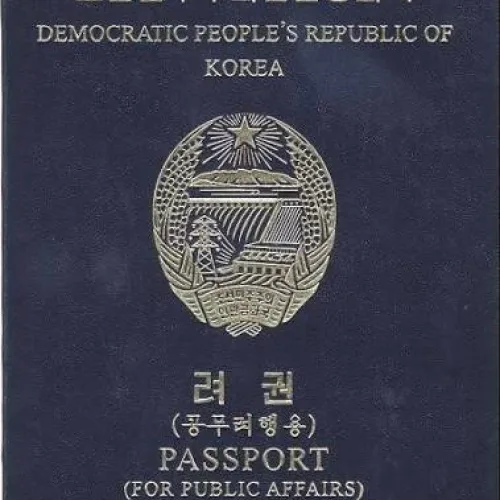
North Korea has one of the world’s most restricted citizenship systems, with very limited opportunities for foreigners to become citizens.
In the Gulf region, Qatar is often cited as one of the most difficult countries for naturalisation, with strict requirements and a limited number of citizenship approvals.
Liechtenstein, despite being one of Europe’s smallest countries, has some of the continent’s toughest citizenship rules, requiring long-term residence, strong community ties and significant integration.
Bhutan also presents major challenges for applicants, with requirements that include cultural and language considerations as part of its citizenship process.
Other countries frequently described as highly restrictive include Kuwait, Saudi Arabia and the United Arab Emirates, where citizenship has traditionally been limited, and naturalisation opportunities remain selective despite some recent reforms.
In China, citizenship is rarely granted to foreigners, with approvals generally reserved for individuals with close family connections or those considered to have made significant contributions.
Japan requires applicants to demonstrate long-term residence, language ability, financial stability and integration into Japanese society before citizenship can be considered.
In Europe, Switzerland is known for a demanding naturalisation process that involves years of residence, local integration and approval through multiple levels of government.
Austria is also regarded as one of Europe’s stricter citizenship systems due to its residency requirements, language expectations and limited acceptance of dual citizenship.
Comments
Start the conversation about this story.