






Iran has effectively rejected expectations of an imminent reopening of the Strait of Hormuz, laying out sweeping conditions that would require the United States to fundamentally change its policy toward Tehran.
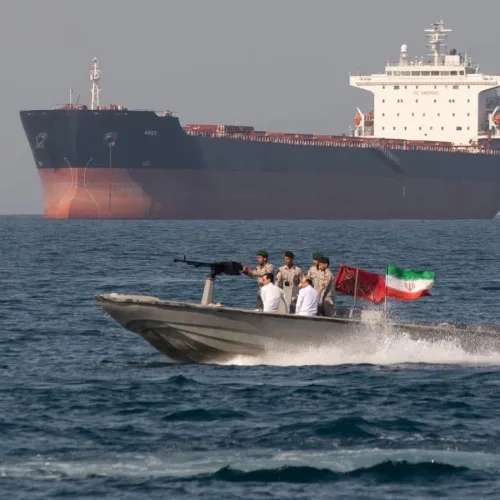
In a statement issued by Mohammad Baqer Zolghadr, secretary of Iran’s Supreme National Security Council, Tehran said the strait would remain closed until Washington ends what Iran described as its hostile behavior.
The six demands include an end to U.S. threats and military action, a permanent end to the war, withdrawal of U.S. naval and air forces from around Iran, compensation for war damages, sanctions relief and the release of frozen Iranian assets.
The statement is significant because it indicates that the much-discussed U.S.-Iran draft agreement does not, at least from Tehran’s perspective, amount to a deal to reopen Hormuz. Any agreement would ultimately require approval from Iran’s Supreme National Security Council.
The shipping data also points to continued disruption. Just 33 vessels transited Hormuz from Monday through Thursday, down from 50 during the same period the previous week, while only six crude tankers have reportedly cleared the strait outbound so far this week. The decline comes despite expectations that Iran and Oman were close to an arrangement governing a shipping corridor.
That uncertainty has kept the energy market on edge. Iran has also been considering restrictions on U.S. and Israeli vessels, while previous proposals for transit fees have added another layer of uncertainty. The European Union has already accused Iran’s IRGC Navy of enforcing a screening and toll system for vessels using the strait.
Washington, however, is presenting a considerably more optimistic picture. Vice President JD Vance said the U.S. expects oil and gas flows from the Gulf to eventually return to pre-war levels. He also said Iran had told Washington it had no plans to impose tolls, although the U.S. does not fully trust Tehran’s assurances.
That leaves the market facing two very different interpretations of the same negotiations. Washington is talking about restoring normal energy flows. Tehran is demanding major political, military and financial concessions before reopening Hormuz.
For oil traders, the key question is therefore no longer simply whether talks are taking place, but whether the two sides are actually negotiating the same outcome.
Comments
Start the conversation about this story.