





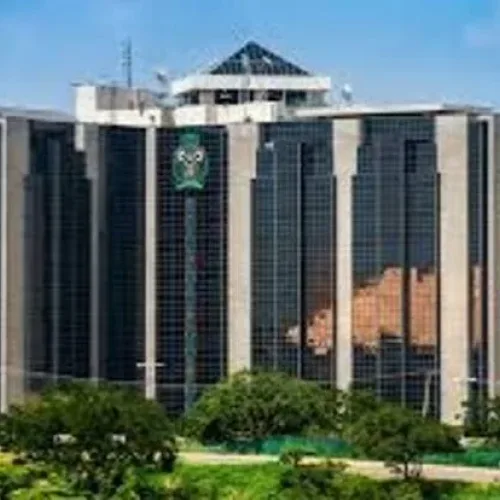
Central Bank of Nigeria building. Photo: CBN
The Central Bank of Nigeria has cancelled the planned N700bn treasury bills auction for 5 August 2026, following a sharp tightening of liquidity after it mopped up N4.69tn from the banking system through Open Market Operations in two consecutive sessions.
The decision came after the CBN absorbed N2.52tn through a 141-day OMO bill on 3 August and another N2.17tn through 112-day and 113-day OMO bills on August 4.
The scale of the two-day liquidity withdrawal appears to have prompted the authorities to pause the T-bills auction to avoid putting additional pressure on funds available within the banking system.
Although the CBN, acting on behalf of the Debt Management Office, did not disclose a reason for the cancellation, market participants said the timing suggested concerns over excessive liquidity tightening.
The cancelled auction was initially scheduled to offer N700bn across 91-day, 182-day and 364-day T-bills, with settlement planned for 6 August
The latest intervention comes after the CBN had already sterilised N7.18tn through OMO auctions in July, bringing the amount withdrawn through OMO in July and the first four days of August to more than N11.8tn.
The liquidity squeeze has also been reinforced by strong demand for government securities. At the 29 July T-bills auction, the CBN allotted about N1.25tn against an initial N700bn offer, largely driven by demand for the 364-day bill.
The authorities are therefore facing a balancing act between raising domestic financing and preventing excessive liquidity tightening in the banking system.
The cancelled auction is part of the N5.8tn T-bills issuance programme for the third quarter of 2026, which targets about N3.16tn in net new borrowing after accounting for maturing bills.
The 5 August auction was also one of six major N700bn issuance sessions scheduled for the quarter.
The CBN and DMO said the other auction dates in the Q3 calendar remain unchanged, leaving investors to watch whether the withdrawn N700bn will be rescheduled or added to subsequent auctions.
The cancellation could ultimately affect the pace at which the government raises funds through T-bills if liquidity conditions remain tight and the authorities continue to rely heavily on OMO operations to absorb excess funds, experts say.
Comments
Start the conversation about this story.