





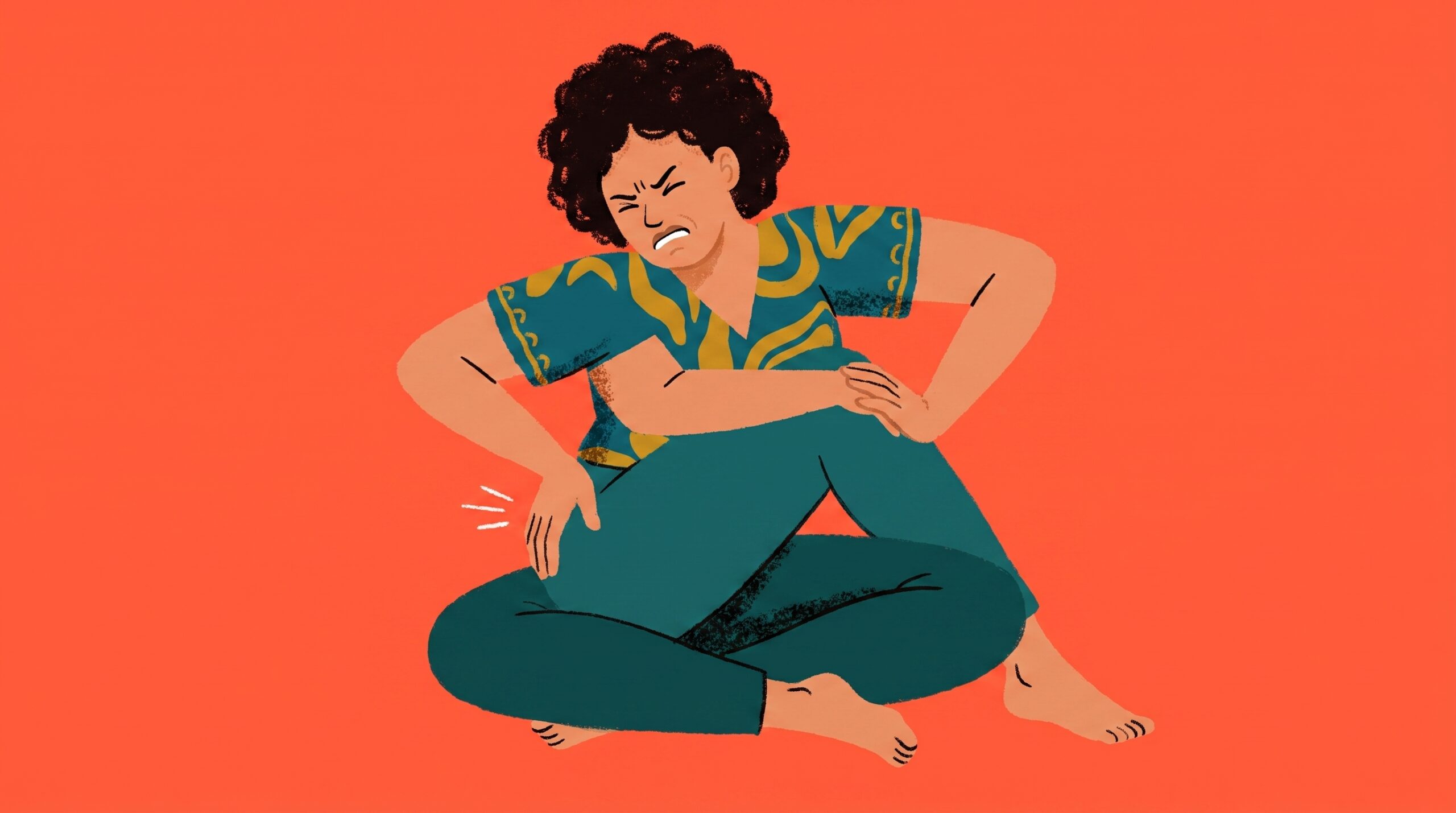
I started living with pain when I was 11 years old. At that age, I did not have the language to describe what I was feeling. I only knew that my hips hurt so bad. As the years passed, the pain became part of my everyday life, and I learnt to live around it. Like many people with long-term pain, I stopped questioning it because it had become normal, when it wasn’t.
In 2018, at 23, when I was diagnosed with avascular necrosis (AVN), I remember feeling relieved. After years of uncertainty, I finally knew what was wrong. But the relief was brief. By the time doctors discovered the cause of my pain, both of my hip joints had already been severely damaged. The only option was surgery.
Knowing both hips were damaged felt like swallowing a stone. People asked if I had considered other treatments first before my diagnosis, and the truth is, I did. I spent years trying different things, but they were all temporary solutions. By the time I was diagnosed, I was worn out. I just wanted my life back.
What surprised me most was my reaction before surgery. Anyone informed of surgery doesn’t take the news lightly. But I laughed, even after being told I would undergo two major surgeries. I just kept laughing. Instead of fear, I chose to be numb about it.
Like many patients, I searched online, and where everything promised a quick recovery and a clear finish line, reality proved far more challenging. A week after my second surgery, I developed an infection in the operated leg. Instead of moving forward, I found myself preparing for an emergency third surgery. For the first time, I could truly process what had happened. The pain from the first two surgeries was still fresh, so I now understood exactly what another operation would mean. The numbness that had protected me before the first surgeries was gone; fear had finally caught up with me.
The early days after surgery are difficult to describe. There was physical pain and trying to recover from surgery, but I was also trying to understand what my life would look like now. My family and friends showed up for me in beautiful ways, and I will always be grateful for that.
But after visiting hours ended, everyone went home, and the hospital became quiet. Surrounded by nurses, hospital attendants and other patients, I never felt more alone. It was during that period that I began saying something I still believe till today: “I’d rather drink garri in my own house than chicken in the hospital.” People usually laugh when I say it, but anyone who has recovered in a hospital understands. Home represents familiarity; the hospital reminds you of a future you don’t know yet.
That experience changed how I understand loneliness. It isn’t the absence of people; sometimes it is the feeling that nobody else can fully enter the place where you’re hurting.
Eventually, I was discharged. I thought the hardest part was over; it wasn’t. Leaving the hospital was not the same thing as recovering. My body was getting better, but my mind was struggling to catch up.
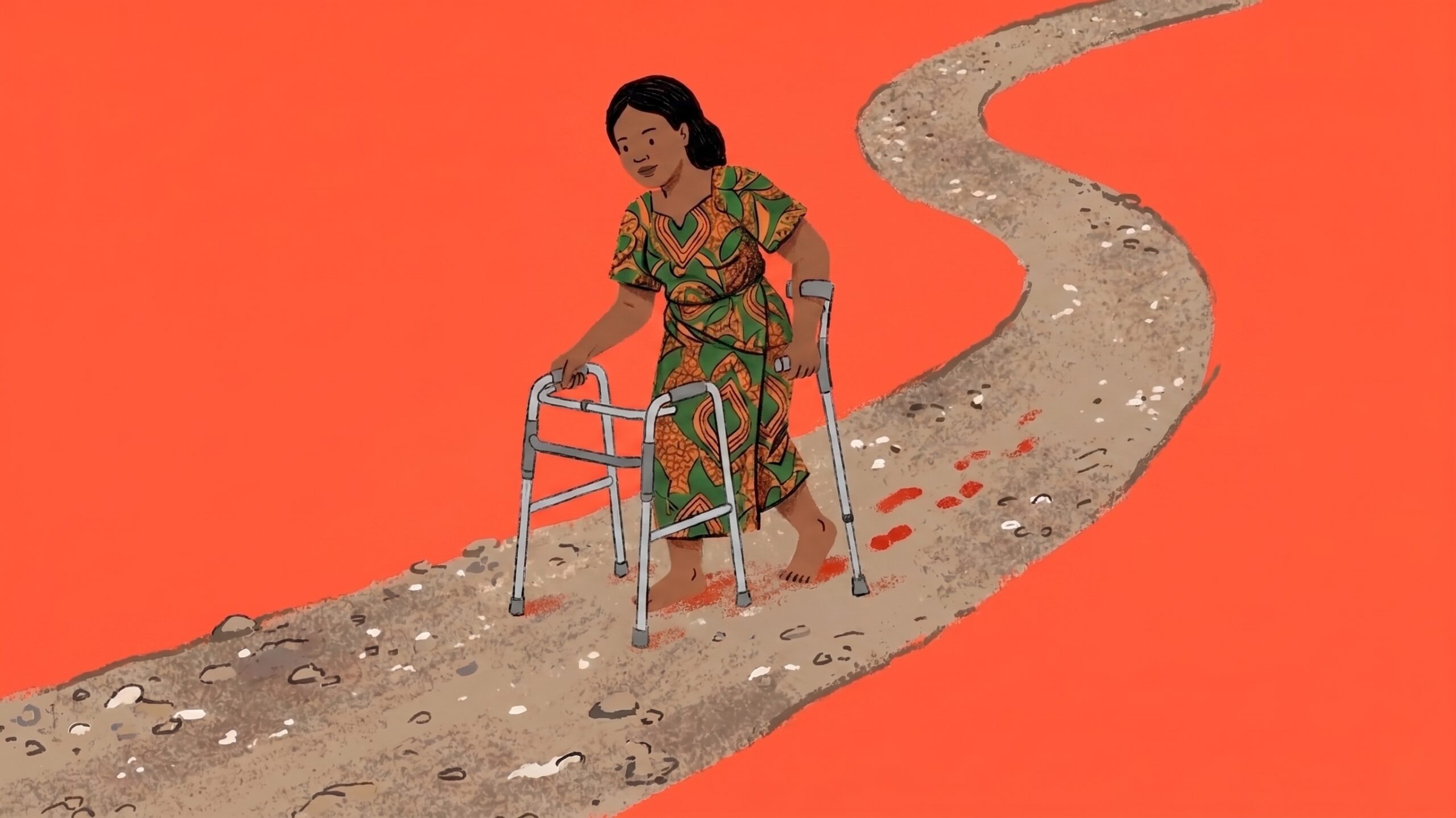
I began learning how to walk again. Physiotherapy was so painful; every exercise needed patience, every step a negotiation between what my mind wanted to do and what my body was ready for. Walking aids became part of my life, and movements I had once taken for granted suddenly required preparation and effort.
Even today, there are things I still cannot do. I cannot squat. I cannot cross my legs. My mobility is better than it once was, but recovery has also meant accepting that some parts of my life have changed permanently.
A few weeks after being discharged, I found myself replaying the surgeries over and over. I did the procedures firsthand, but I had watched videos of total hip replacements beforehand, and my imagination filled in the gaps. I could not stop thinking about them; I cried so much.
Some days, I could not explain why. Other days, I could not find the words. I stopped taking my medication, stopped attending appointments, withdrew into myself, and became overwhelmed by sadness, anxiety and fear. There were days I really wondered if I would ever feel like myself again.
As I recovered, I kept asking myself: When? When would this be over? When would I stop hurting? When would I stop feeling afraid? When would life begin to feel normal again?
Because I couldn’t walk after surgery, I had to defer the second semester of my 200 level at the university. Deferring my semester meant adding another year to my degree, an extra weight on top of the delays our class had already faced from university strikes and COVID-19. Watching life continue while yours seems to pause is another strange kind of grief.
As a student of Guidance and Counselling, I could identify the emotions I was experiencing, but knowledge did not make me immune to them. Sometimes, we know exactly what is happening to us and still need someone else to help us through it. When I returned to school, my lecturers, who are trained counsellors, became part of my support system. I was admitted into my university’s medical centre, where I began seeing a psychiatrist and was placed on medication that held me through one of the most difficult periods of my life.
Recuperation was never something I achieved by myself. My family and friends remained present. Some of my closest friends were also studying Guidance and Counselling. With them, conversations felt safe. I could be honest about what I was feeling without worrying that I had to pretend to be fine. Sometimes they listened to me, sometimes I listened to them. Those conversations reminded me that healing mostly happens in relationships with other people.
By my final year, I found myself withdrawing from activities I would normally have enjoyed. What was the point? I thought. My classmates were preparing to move on while I already knew I would be staying behind. To distract myself, I organised tutorials for my classmates. Looking back, I think teaching gave me something healing had taken away for a while: a sense of purpose.
When final-year week came around, I didn’t want to participate. It took encouragement from my lecturers and classmates before I eventually joined in. Then came convocation. One of my lecturers encouraged me to attend the ceremony simply to celebrate with my friends.
I couldn’t do it. Instead, I sent messages to our class group, called my friends and congratulated them. I was truly happy for them, even while quietly grieving the extra year that lay ahead of me.
One of the hardest parts of healing wasn’t only learning to walk again, but also learning how to stop measuring my life against everyone else’s timeline.
Years later, I still have difficult days. There are days my scars remind me of everything I lost. There are other days when they remind me of everything I overcame. This is why I believe pre-operative and post-operative counselling should become a standard part of surgical care. Not as an optional service, not as something available only to people who can afford additional therapy. But as part of the care every surgical patient receives.
When patients pay for surgery, they are paying for the chance to recuperate, not just for a successful operation. Emotional readiness before surgery and emotional support afterwards should be treated as essential parts of rehabilitation, alongside medication, physiotherapy and follow-up appointments.
A patient who understands what recovery can feel like isn’t guaranteed an easier journey, but is less likely to believe they are failing when recovery becomes emotionally difficult. They are more likely to ask for help, more likely to remain engaged with treatment. It’s easy for them to realise they are not alone.
Comments
Start the conversation about this story.