





…Residents demand government intervention as traders seek grants, lower levies
By Ugochukwu Alaribe, Chinedu Adonu, Vincent Ujumadu, Jeff Agbodo, Chimaobi Nwaiwu and Emma Iheaka
UMUAHIA — Residents and traders across the South-East have lamented the rising cost of goods and services, declining consumer purchasing power and worsening business conditions, urging the Federal Government to introduce measures to ease the economic hardship.
From Aba and Umuahia in Abia to Onitsha, Awka and Nnewi in Anambra, Enugu, Abakaliki in Ebonyi and Owerri in Imo, traders said high transportation costs, fuel prices, multiple levies, weak purchasing power and other operating challenges had significantly affected their businesses.
They said customers who previously bought goods in large quantities now purchase only what they could afford for immediate consumption, while many traders struggle to recover their capital.
Aba residents lament rising food prices
Residents of Aba, Abia State, said the prices of staple foods such as rice, beans, yam, tomatoes, garri, pepper and onions had risen beyond the reach of many families.
They attributed the situation largely to rising fuel prices and the general increase in the cost of doing business.
A housewife, Mrs Oluchi Nwankpa, said she previously spent about N20,000 to prepare a pot of soup for her family of five, but the amount could no longer provide what she described as a “rich pot of soup” capable of lasting the family for a week.
A trader at Cemetery Market, Aba, Mrs Ada Emeka-Ogbugo, said customers had continued to complain about rising prices.
“Prices of goods have continued to increase in the market. Whatever commodity you buy at a particular time must have an increase the next day and our suppliers tell us that they have no choice because the increase in fuel is affecting their cost of production. Everyone is affected because our customers are also complaining about price increase,” she said.
Another trader, who identified himself as Friday, said consumers were now primarily concerned with buying food to survive.
“You can observe that people are only interested in buying foodstuff to feed their families. Only survival matters now. Even foodstuff like rice, beans, yam and even bread are going beyond the reach of the ordinary man,” he said.
Produce dealer blames security checkpoints, middlemen
A produce merchant, Mr Egbu Peters, however, attributed part of the increase in food prices to alleged extortion by middlemen and security personnel at checkpoints along major highways.
Peters, who deals in tomatoes, vegetables and okro, said traders often incurred additional costs while transporting produce from northern states to the South-East.
He said commodity unions should not be blamed for rising food prices, arguing that they played a role in ensuring the distribution of farm produce across the country.
According to him, traders travelling to states such as Kaduna and bringing produce to the South-East encounter numerous checkpoints where they are allegedly charged various amounts.
He said the additional expenses incurred on transportation, middlemen and checkpoints were eventually reflected in the prices paid by consumers.
Enugu traders lament declining patronage
In Enugu, foodstuff dealers also complained of declining patronage and rising costs.
A dealer, Mrs Ngozika Igbokwe, said consumers who previously bought large quantities of foodstuff could now afford only small portions.
“We don’t sell goods like before. We find it difficult to sell after buying from the company or dealers.
“Customers who used to buy plenty now buy only a little for their daily needs, and before you know it, the perishable goods will get spoiled,” she said.
Igbokwe said a customer who previously bought four paint buckets of garri could now afford only one, while tomatoes that previously sold out within hours could remain in the market for days.
She appealed to the government to reduce taxes imposed on traders and provide grants and other interventions to help small businesses survive.
A petty trader at Ogbete Market, Mr Kevin Ugwuogor, said many traders who borrowed money to finance their businesses were finding it difficult to repay their loans because of low sales.
“We are suffering now. We, the petty traders, are finding it difficult to survive. We borrowed money from banks to do business, but when you buy goods, you will not sell them quickly enough to recoup the money before the end of the month when you are expected to pay the bank interest,” he said.
He urged the government to introduce measures to improve purchasing power, reduce fuel prices and make credit available to small businesses at affordable interest rates.
Anambra traders count losses
Traders in Onitsha, Awka and Nnewi, Anambra State, also said the unfavourable economic climate had taken a heavy toll on their businesses.
A trader at Onitsha Main Market, Mr Clement Nwadikwa, said the decline in his capital had made it difficult for him to stock his shop.
He said the removal of fuel subsidy, depreciation of the naira and rising fuel prices had combined to reduce consumers’ purchasing power and increase the cost of transporting goods.
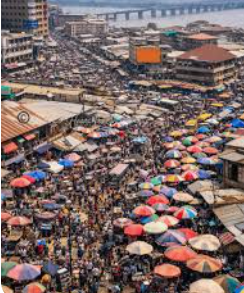
An electronics dealer, Mr Nicholas Okeke, said traders dealing in non-essential goods had been particularly affected as many residents now prioritised food and rent.
“With fuel prices above N1,000, the cost of moving goods from Lagos ports to Onitsha and other cities in the South-East became very high, thereby causing astronomical increase in the cost of electronics and other luxury goods,” he said.
Ebonyi traders seek grants
At Abakaliki International Market, Ebonyi State, traders said low patronage had left many shops deserted.
Mrs Joy Ezediora said many traders had remained idle because customers no longer had enough money to patronise them.
“There is no money, hunger and starvation everywhere. It is when the customers have money that they will come to market to patronise us,” she said.
Another trader, Mr Ekene Nwankwo, said some traders had been forced to consume their capital because of the lack of turnover.
“There is no business. Some of us have been eating from capital. I don’t have goods in my shop anymore. I need support to stock my shop, like government grants to support the business,” he said.
A building materials dealer, Chief Chukwudi Nweke, said traders in the sector were also struggling because of poor sales.
He said some cement dealers had incurred losses when their products remained unsold for long periods.
Nweke appealed to the government to provide empowerment programmes and grants to enable traders to sustain their businesses and meet family obligations.
Imo traders complain of low sales, levies
Traders at Relief Market, Owerri, Imo State, identified low sales and market levies as major challenges.
A fabric seller, Mr Ifeanyi Osuji, said his sales had dropped by about half due to the economic situation.
“Our biggest challenge is low sales. I now sell about half of what I used to sell before this government came into power. Some days, I manage to make N20,000. You can imagine what will be my profit out of the N20,000,” he said.
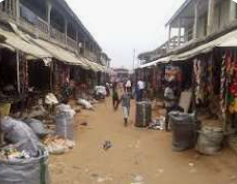
Another trader, Mrs Bridget Nwankwo, said traders were required to pay an annual levy of N24,000 in addition to other charges.
She appealed to the government to reduce the levies, saying traders were struggling to make sufficient sales.
Enugu traders decry poor market infrastructure
Traders at Eke Market in Nkanu West Local Government Area of Enugu State also complained about dilapidated infrastructure, poor drainage and congestion.
A condiments seller, Ezinne Nwobodo, said poor drainage made the market difficult to access during rainfall.
“Every part of the market becomes marshy whenever it rains and it has made customers to consider other places where they buy condiments. We hardly sell anything when it rains,” she said.
A cosmetic dealer, Emeka Amadi, called for expansion of the market to accommodate the growing number of traders and customers.
He said the market served students and staff of the Enugu State University of Science and Technology, ESUT, the Nigerian Law School, Agbani Campus, residents of Nkanu West and surrounding communities.
Vanguard gathered that traders often displayed their goods along major roads because of congestion and inadequate stalls, a situation that contributes to heavy human and vehicular traffic around the market.
Onitsha traders allege harassment, multiple challenges
Beyond declining sales and high operating costs, traders in Onitsha also identified multiple taxation, rising shop rents, alleged harassment and disputes over business premises as major challenges.
A former market union leader and trader at Ozomagala Building Materials Market, Mr Kenneth Okafor, called for government intervention over what he described as alleged harassment of traders by some law enforcement personnel in connection with disputes over shop leases.
Okafor alleged that some traders and market leaders had been arrested and taken outside the state over disputes concerning lease agreements with property owners.
He claimed that some of the affected traders had invested heavily in renovating or reconstructing market facilities based on agreements reached with property owners, but later faced disputes over the terms of the agreements.
He called on the Inspector-General of Police and the Anambra State Government to investigate the allegations and ensure that disputes involving traders were handled according to the law without intimidation.
Okafor also appealed to the state government to prevent the disputes from escalating into a breakdown of law and order in the markets.
The traders across the South-East urged federal and state governments to address the factors driving up the cost of goods and doing business, while providing grants, affordable credit, improved infrastructure and a reduction in taxes and levies to enable businesses to survive.
Comments
Start the conversation about this story.