





A Professor of Burns and Plastic Surgery at the University of Osun Teaching Hospital, Osogbo, Prof. Peter Olaitan, has urged African governments to end their reliance on foreign aid and temporary surgical missions for cleft care and develop sustainable, locally led systems capable of providing comprehensive treatment for children born with cleft lip and palate.
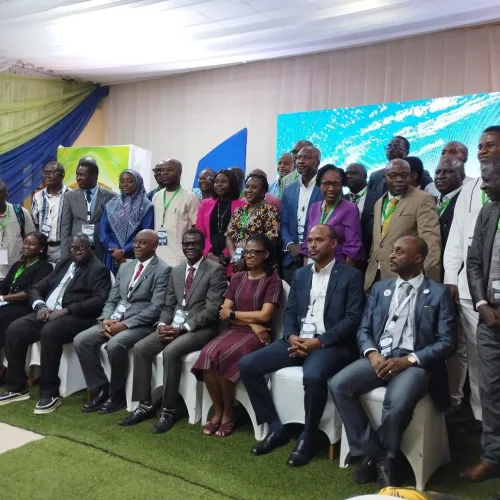
Olaitan, a former chief medical director of the University of Osun Teaching Hospital, Osogbo, made the call while delivering the presidential lecture, “Cleft Care in Africa: Yesterday, Today and Tomorrow”, at the opening of the joint Annual General Meeting and Scientific Conference of the Nigerian Association of Plastic, Reconstructive and Aesthetic Surgeons (NAPRAS) and the Nigerian Burn Injuries Society (NBIS) in Ibadan.
He said cleft lip and palate remained major congenital conditions with serious medical and social consequences, including feeding difficulties, speech and hearing problems, facial deformity, stigma, psychological trauma and social exclusion.
ALSO READ:
According to him, children and families affected by cleft conditions in many parts of Africa still face poverty, inadequate awareness, limited access to specialist services, poor healthcare infrastructure and high out-of-pocket treatment costs.
He also identified cultural misconceptions as a major obstacle to treatment, noting that some communities continue to associate cleft conditions with witchcraft, curses, divine punishment, maternal behaviour or other supernatural causes.
Olaitan recalled that his first patient as a consultant was an abandoned child found behind the residence of a local government chairman in Iwo, Osun State, describing the experience as a stark illustration of the devastating impact of stigma and ignorance.
The surgeon traced the transformation of cleft care in Africa to increased collaboration between local specialists and international organisations, particularly following the first Pan-African Congress of Cleft Lip and Palate held in Ibadan in 2006.
He said the interventions of organisations such as Smile Train and Operation Smile had helped expand surgical services, train specialists, improve facilities and introduce comprehensive care involving surgery, nutrition, speech therapy, orthodontics, psychological support and patient follow-up.
Olaitan said Nigeria had recorded remarkable progress, moving from only 149 documented cleft operations up to 2007 to more than 48,000 patients sponsored through Smile Train programmes by July 2026.
However, he warned that the progress could be threatened if African countries failed to develop sustainable systems capable of surviving the withdrawal of international donors.
He therefore challenged governments to incorporate cleft treatment into national and state health insurance schemes, stressing that coverage should include surgery, orthodontics, speech therapy, feeding support and dental care.
He also called for the establishment of dedicated cleft centres for treatment, research, documentation and training, as well as investment in modern equipment and specialist manpower.
Olaitan advocated stronger collaboration among plastic surgeons, dentists, orthodontists, speech therapists, geneticists, nurses and other healthcare professionals, saying comprehensive cleft care required a multidisciplinary approach.
He further urged governments and professional bodies to intensify public awareness campaigns to eliminate misconceptions and stigma, promote early presentation and improve access to specialist services.
The professor said Africa must move from temporary surgical missions to sustainable, African-led comprehensive cleft care, warning that the continent could not afford to lose the gains achieved over the past two decades.
Olaitan said ensuring that every child born with cleft lip and palate could “survive, speak, hear, smile and thrive” was not only an ethical obligation but also a measure of the maturity of Africa’s health system.
Comments
Start the conversation about this story.