





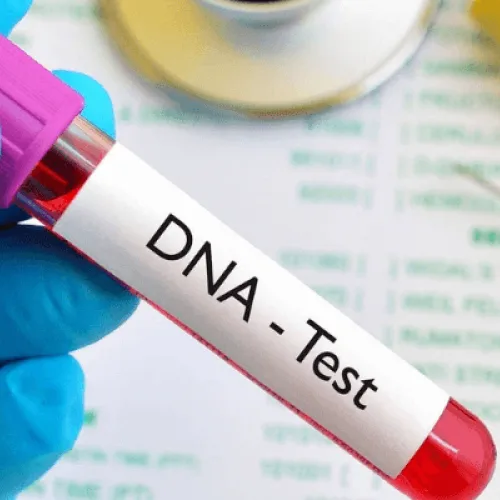
Men are driving the growing demand for paternity testing in Nigeria, with males accounting for 78.6 percent of first contacts for paternity tests at Smart DNA Nigeria during the laboratory’s 2025/2026 reporting period.
The development comes as the laboratory recorded negative results in 23.6 percent of paternity tests during the period, meaning the tested man was excluded as the biological father in nearly one out of every four cases examined.
However, the figure should not be interpreted as showing that nearly one in four Nigerian fathers is unknowingly raising another man’s child. Smart DNA’s data cover people who sought testing at the laboratory and are not a national prevalence study.
The 23.6 percent negative-result rate also represents a marginal improvement from 24 percent in the preceding reporting period and 26.1 percent in 2023, marking a gradual decline over three reporting periods.
The data provide a glimpse into how Nigerians are increasingly turning to DNA technology to resolve questions about biological parentage, particularly where uncertainty has become difficult to settle through personal assurances or family relationships.
Elizabeth Digia, operations manager at Smart DNA, said many clients approach the laboratory because they want definitive answers to questions that have remained unresolved.
“Most of the men and women who come to us are not coming because anyone told them to. They are coming because they cannot live with the question,” Digia said.
She said paternity testing involves sensitive family circumstances that should be approached with dignity rather than sensationalism.
Read also: Kogi police deploy drones, troops in Okene-Auchi kidnap rescue mission
Men dominate first contact
The strong male representation among people initiating paternity tests suggests that men are playing a leading role in the search for biological certainty.
Men accounted for 78.6 percent of first contacts for paternity testing during the latest reporting period, compared with 15.2 percent for women.
The age profile also showed that men aged 41 and above represented the largest classified male age group, accounting for 48 percent of male records.
On the other side of the testing process, children were heavily represented. Children aged five or younger accounted for 59.5 percent of tested individuals.
The figures indicate that questions about biological parentage are often being investigated while children are still very young, although the data do not establish when doubts about paternity first emerged.
The increasing use of DNA testing is changing the way questions of biological identity are addressed in Nigeria.
Previously, families largely depended on trust, physical resemblance, personal assurances and social expectations when questions of parentage arose. DNA testing now provides a scientific method for establishing whether a biological relationship exists.
‘Peace of mind’ overtakes immigration testing
The latest figures also show a shift in why Nigerians seek DNA testing.
Immigration-related DNA testing declined to 9.7 percent from 13.1 percent in the preceding reporting period, while tests classified as “Peace of Mind” increased to 87 percent from 83.7 percent.
That means private testing now accounts for the overwhelming majority of Smart DNA’s recorded cases.
The shift suggests that DNA testing is increasingly being used by individuals seeking personal answers rather than primarily to satisfy immigration or other formal requirements.
For men questioning the biological relationship between themselves and a child, the technology can provide a definitive biological answer. But the consequences of that answer can extend well beyond the laboratory.
A negative result can affect marriages, relationships between parents and children, family identity and, in some cases, disputes over inheritance and succession.
The Smart DNA data also revealed a notable pattern involving firstborn children.
Boys accounted for 56.1 percent of negative firstborn outcomes during the latest reporting period, down from about 64.4 percent in the previous period.
The finding has particular significance in Nigerian families where first sons can have important roles in family lineage, inheritance and succession.
A disputed biological relationship involving a first son could therefore raise questions extending beyond a couple’s relationship, potentially affecting wider family relationships and claims of belonging.
Read also: Nigeria’s kidnapping crisis threatens to worsen health worker shortage
However, the laboratory figures do not establish the circumstances surrounding individual cases or explain why particular people sought testing.
The growing accessibility of DNA testing presents a new way for Nigerians to resolve questions that might previously have remained unanswered.
For Smart DNA, the latest figures point to a broader change in how Nigerians approach biological identity.
Men remain the dominant group initiating paternity testing, while private “Peace of Mind” tests now account for most recorded cases. At the same time, the negative-result rate has declined for three consecutive reporting periods.
The data therefore suggest not that Nigeria has a national paternity crisis, but that more Nigerians who have unresolved questions about biological parentage are turning to DNA testing for certainty.
As access to the technology grows, the laboratory’s figures indicate that the demand for scientific answers to deeply personal family questions is likely to remain significant.


Royal Ibeh is a senior journalist with years of experience reporting on Nigeria’s technology and health sectors. She currently covers the Technology and Health beats for BusinessDay newspaper, where she writes in-depth stories on digital innovation, telecom infrastructure, healthcare systems, and public health policies.
Comments
Start the conversation about this story.