






Stakeholders working to end child marriage in Nigeria have been urged to strengthen coordination, accountability and community-led interventions to protect girls and expand opportunities for them to determine their futures.
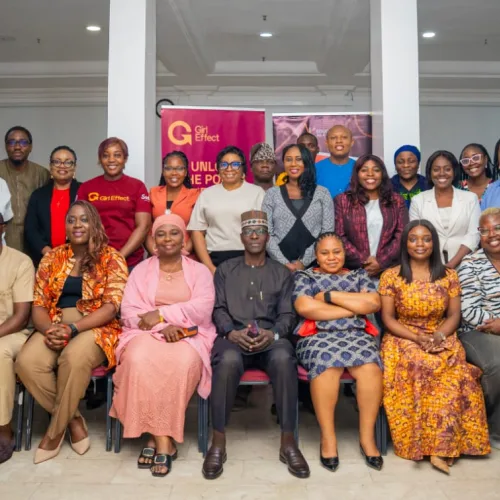
The Country Director of Girl Effect, Boladale Akiwumi-Kolapo, represented by the organisation’s Programme Lead, Kosi Izundu, made the call on Wednesday at a National Technical Working Group meeting on ending child marriage in Nigeria.
Akiwumi-Kolapo said ending child marriage goes beyond preventing marriage before the age of 18, stressing the need to equip girls with education, knowledge, skills and confidence to make informed decisions about their lives.
She acknowledged Nigeria’s commitments and progress towards ending child marriage but noted that the scale and complexity of the problem required sustained and coordinated action.
According to her, poverty, harmful social and gender norms, limited access to education and economic opportunities, as well as gaps in protection and support systems, continue to influence the prevalence of child marriage.
She therefore called for interventions that address these interconnected factors rather than relying on isolated programmes.
She described the National Technical Working Group as an important platform for government, development partners, civil society organisations and other stakeholders to coordinate efforts, share evidence, identify effective interventions and strengthen areas requiring greater attention.
The Girl Effect Country Director also commended the Technical Working Group and its partners for developing a governance framework, describing the initiative as an important step towards improving coordination and accountability in the national response to child marriage.
She said a clear governance structure would help define the roles and responsibilities of stakeholders, improve collaboration and strengthen accountability for actions aimed at ending child marriage.
Akiwumi-Kolapo said Girl Effect remained committed to approaches that place girls and communities at the centre of efforts to tackle child marriage, including community-led social norm change, strengthening girls’ skills and agency, and creating environments that enable girls to remain in school and access opportunities.
She stressed that sustainable progress would require stronger ownership and leadership at both national and subnational levels, adding that government leadership was essential to ensuring successful interventions were incorporated into policies, systems, budgets and routine programmes.
representative of the Minister of Women Affairs, Mrs Marima F. Shaibu, called for stronger collaboration among government agencies, development partners, civil society organisations and other stakeholders to accelerate efforts to end child marriage in Nigeria.
Shaibu said child marriage remained a significant violation of children’s rights and a major barrier to girls’ education, health, protection, empowerment and overall development.
According to her, child marriage exposes girls to early pregnancy, gender-based violence, school dropout, poverty and other lifelong challenges.
She said the Federal Ministry of Women Affairs had continued to provide leadership in the national response through the development and implementation of the National Strategy to End Child Marriage, with support from UNICEF Nigeria.
She described the technical working group meeting as timely and strategic, noting that it would provide an opportunity to re-engage existing members and new entrants, identify emerging challenges and gaps, and strengthen multisectoral coordination.
The Resentative of United Nations Children’s Fund (UNICEF) Faith Nyam, speaking on behalf of UNICEF Chief of Child Protection, Ms Nathalie McCauley, urged stakeholders to strengthen collaboration and adopt a multisectoral approach to ending child marriage in Nigeria.
She said UNICEF, alongside the United Nations Population Fund (UNFPA), plays a leading global role in efforts to end child marriage and continues to work closely with the Federal Ministry of Women Affairs to protect girls from early marriage.
According to her, UNICEF has supported the Technical Working Group over the years in bringing relevant partners together to strengthen collective efforts towards ending child marriage.
She stressed that the challenge could not be addressed by a single organisation, noting that it requires sustained collaboration among government institutions, development partners, civil society organisations and other stakeholders.
Faith Osarctin, Save the Children called for Stronger Action to Protect Girls From Child Marriage and ensure they remain in school and have access to quality education.
Osarctin said children needed to be protected, survive and have access to quality education, noting that child marriage threatens these rights and limits girls’ opportunities to develop their full potential.
She said Save the Children remained committed to contributing to discussions and initiatives aimed at developing practical solutions to accelerate efforts to end child marriage in Nigeria, Africa and globally.
She expressed optimism that the meeting would produce concrete actions and strengthen partnerships towards protecting girls and ending child marriage.
Comments
Start the conversation about this story.