





Guinea’s coup leader enters presidential race, breaking promise to hand power to civilians
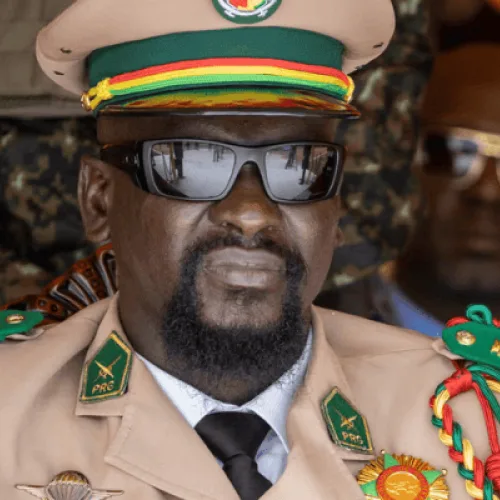
Mamadi Doumbouya, Guinea’s President has dismissed 173 military personnel for alleged desertion, in one of the broadest changes to the country’s armed forces since he seized power in a 2021 coup.
The dismissals include Michel Lamah, a military officer who was part of the Special Forces unit that helped bring Doumbouya to power and became a prominent figure in the overthrow of then President Alpha Condé.
The decision was announced in a presidential decree broadcast on state television on Monday, August 24. Gen Amara Camara, minister secretary general of the presidency, read the decree, which removed personnel from several branches of the armed forces.
Read also: Guinea meets N15bn recapitalisation benchmark, awaits verification
The decree gave “desertion” as the reason for the dismissals but did not explain when the affected soldiers allegedly abandoned their posts or the circumstances surrounding the cases.
The move comes nearly five years after Doumbouya led the September 2021 coup and months after he won Guinea’s December 2025 presidential election, as he continues to consolidate his authority over the country.
Coup officer among those dismissed
Lamah was a member of the Groupement des Forces Spéciales, the elite military unit commanded by Doumbouya before the coup.
He became one of the most recognisable faces of the takeover after images showed him in a military vehicle carrying Condé following the president’s arrest.
Read also: Guinea-Bissau seeks diaspora investment to create jobs for youth
On September 5, 2021, Special Forces troops stormed the presidential palace and detained Condé. Doumbouya, then a colonel, announced that the military had taken control of the country.
The takeover ended Condé’s 11 year presidency, which had been marked by political tensions after he secured a controversial third term following constitutional changes.
Doumbouya initially promised that neither he nor members of his military administration would contest elections organised to restore civilian rule.
He later reversed that position and ran in the December 2025 presidential election, winning about 87 percent of the vote.
The election was criticised by opponents and observers over the exclusion of major opposition figures. Doumbouya also faced criticism for abandoning his earlier pledge to hand power back to an elected civilian government.
The latest military dismissals therefore come at a politically sensitive period, as the president seeks to strengthen control over the security establishment while Guinea undergoes a major economic transformation.
The country holds some of the world’s largest deposits of bauxite, gold and iron ore. The development of the Simandou iron ore project is expected to increase mining activity and provide a major boost to Guinea’s economy.
The scale and timing of the military changes are likely to draw further attention to the balance between political consolidation and institutional stability under Doumbouya’s administration.


Faith Omoboye is a foreign affairs correspondent with background in History and International relations. Her work focuses on African politics, diplomacy, and global governance.
Comments
Start the conversation about this story.