





The Transmission Company of Nigeria (TCN) has secured over $1.4 billion in loans and grants from multilateral development partners to rehabilitate and expand the country’s electricity transmission network.
Ajiboye Oluwagbenga, executive director of transmission service provider at TCN, disclosed this on Thursday at a training workshop in Keffi, Nasarawa State.
He said the financing, alongside internally funded projects, is being used to replace ageing transmission assets and increase the capacity of the national grid.
“Through a blend of internally funded initiatives and over $1.4 billion in multilateral development financing, TCN is systematically rehabilitating aging assets and expanding the transmission network,” Oluwagbenga said.
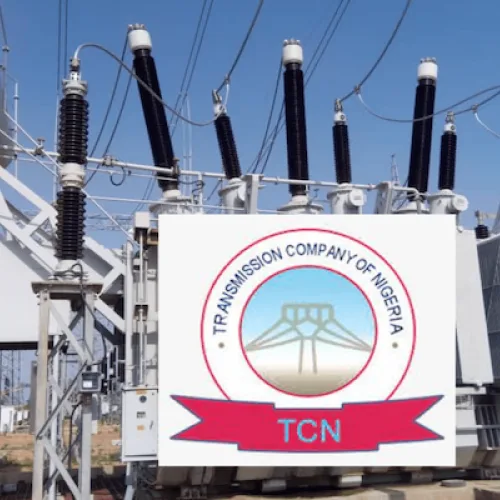
According to him, TCN has deployed 89 power transformers across its network, adding more than 8,500 megavolt-amperes (MVA) of transformation capacity.
The additional capacity is expected to improve the volume of electricity that can be transmitted to distribution companies (DisCos) across the country.
Oluwagbenga said the deployment of 300 MVA transformer units at strategic locations, including Katampe, Lekki, Ikeja West and Akangba, is also helping to address constraints on the network.
He said the expansion would support higher peak power delivery to homes and businesses as more transmission capacity becomes available.
The financing was secured through partnerships with international development institutions and financiers, including the World Bank, African Development Bank, Japan International Cooperation Agency and Agence Française de Développement.
Oluwagbenga said the investments had strengthened the transmission network and increased its ability to move more electricity across the country.
However, he noted that the full 8,700MW transmission capacity has yet to be physically tested.
He said TCN was deliberately conservative in its assessment of available capacity, noting that additional transmission facilities deployed over the past six months had not yet been reflected in the current figure.
The development comes as Africa’s most populous nation continues to face constraints across its electricity value chain, with inadequate transmission and distribution infrastructure limiting the amount of power that can reach consumers even when generation is available.


Feyishola Jaiyesimi is a journalist at BusinessDay Media with over two years reporting experience. She began her journalism career as an agricultural reporter and now covers the energy sector, including oil, gas, electricity, environment, and renewables. She has been selected for professional training by the US Consulate, Lagos. She is a 2025 Dataphyte Biodiversity Reporting Fellow. Feyishola holds a bachelor’s degree in Zoology and Environmental Biology from Ekiti State University.
Comments
Start the conversation about this story.