





Nigeria’s domestic petrol market is coming under renewed pressure for a downward price adjustment following a decline in international crude oil prices, raising expectations that refiners and petroleum product depot owners may review their gantry and ex-depot prices.
The development is particularly significant for the Nigerian downstream oil market, where petrol prices have risen in recent weeks despite the country’s increasing reliance on locally refined products.
Reports indicate that Brent crude and West Texas Intermediate (WTI) crude have fallen to $88.10 and $83.40 per barrel respectively, putting pressure on domestic refiners and marketers to reflect the lower international crude benchmark in their local pricing.
The decline in crude prices comes at a time when consumers are already grappling with elevated petrol prices across major cities, while downstream operators have continued to adjust their prices in response to changes in crude costs, foreign exchange, logistics and other market factors.
Dangote raises gantry price
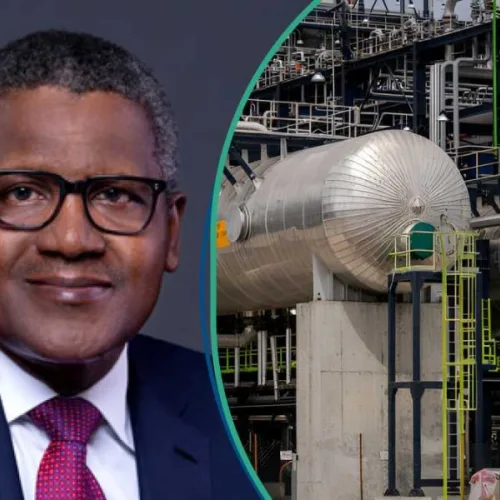
The Dangote Petroleum Refinery, the country’s largest domestic refinery, is among the major players facing pressure to review its latest petrol pricing.
Between August 21 and August 29, the refinery increased its gantry price for Premium Motor Spirit (PMS) by ₦100 per litre, taking the price to ₦1,265 per litre.
The increase has filtered through the downstream supply chain, with several petroleum product depot owners also adjusting their ex-depot prices upward.
Industry sources said the latest movement in international crude prices could now strengthen calls for refiners and depot operators to reverse part of the recent increases.
READ ALSO; Dangote Refinery hikes diesel price amid rising global oil prices
The argument is that a sustained reduction in the cost of crude oil, which is the primary feedstock for petrol production, should eventually translate into lower product prices, particularly in a more competitive and deregulated downstream market.
Depot prices rise
Several major depot operators have also increased their petrol ex-depot prices in recent days.
Operators including Soroman, Bono, Aiteo, Techno Oil and Optima were reported to be selling PMS to marketers at between ₦1,200 and ₦1,215 per litre as of the time of reporting.
Ex-depot prices are a major component of the final price paid by motorists because they determine the cost at which filling stations and other petroleum marketers obtain products before adding transportation, storage, operating costs, margins and other applicable charges.
Consequently, any sustained increase in ex-depot prices is likely to be reflected in retail pump prices unless marketers absorb part of the additional cost.
Pump prices remain above ₦1,200
Across Abuja and its environs, petrol is currently being sold at between ₦1,230 and ₦1,275 per litre at filling stations operated by major marketers, including MRS and the Nigerian National Petroleum Company Limited (NNPCL), as well as other independent retailers.
The price differential between locations and filling stations reflects variations in supply costs, transportation, depot charges and individual marketers’ pricing strategies.
With crude prices now trending downward, consumers and industry stakeholders are expected to closely monitor the response of refiners and depot owners.
For motorists, the key question is whether the decline in international crude prices will translate into an immediate reduction in the cost of petrol or whether other factors within the domestic supply chain will continue to keep pump prices elevated.
Analysts have consistently noted that crude oil prices are only one component of petrol pricing in Nigeria. Exchange-rate movements, refining costs, transportation, storage, distribution expenses and market margins can also influence the final pump price.
Nevertheless, the latest decline in global crude prices is likely to intensify calls for domestic refiners and petroleum product suppliers to review their pricing structure and pass on any reduction in production or procurement costs to consumers.
The development also comes amid Nigeria’s broader transition toward increased domestic refining, with the Dangote Refinery playing a growing role in supplying petrol to the local market.
Comments
Start the conversation about this story.