





…Demand fairness, equity
Christians under the aegis of the Pentecostal Fellowship of Nigeria (PFN), Niger State Chapter, have taken a swipe at Governor Umaru Bago over his recent comments on Christian participation in politics.
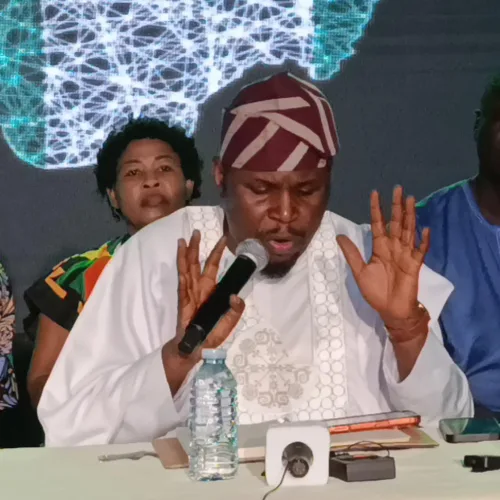
While reacting to the Governor’s comment, the PFN Chairman in the state, Pastor PeteRock Sadiq, argued that leadership should be measured by fairness, competence and balance rather than political participation.
It should be recalled that the Coordinator, Christian Affairs, Pastor Isah Lawrence, who represented the Governor, had called on Christians to participate in politics before they can earn any appointive or elective positions.
Pastor Sadiq, while speaking during a press briefing in Minna on Saturday, advised the Governor to embrace fairness, inclusiveness and equal opportunities for all citizens in appointments and governance, regardless of their level of participation in partisan politics.
He added that upon election, the governor becomes the leader of the entire state and not only those who supported him but also those who prayed for him and even went to the polls.
He then rejected the argument that Christians had not participated in the political process, noting that voting remained one of the most fundamental forms of political participation.
He said many Christians in the state registered, collected their Permanent Voter Cards (PVCs), queued to vote and exercised their constitutional rights during elections.
According to him, “Christians in Niger State should not be required to participate aggressively in partisan politics before being considered for appointments or opportunities to serve in government.
”Political participation should not become the price citizens must pay to receive fair treatment from government.
“Leadership is not about participation; it is about fairness. The state needs qualified professionals, including engineers, doctors, teachers, administrators, economists, technocrats and other experts who may not necessarily be active politicians”.
The PFN chairman maintained that low participation in partisan politics could be a symptom of the challenges within the political system rather than evidence of unwillingness by Christians to contribute to governance.
He pointed to the high cost of politics, competition for political positions and alleged influence of money as factors that could discourage qualified citizens from actively participating in partisan politics.
He therefore urged Christians to become more politically responsible by collecting their PVCs, carefully evaluating candidates based on character and competence, voting and holding elected leaders accountable.
Please follow and like us:
Comments
Start the conversation about this story.