





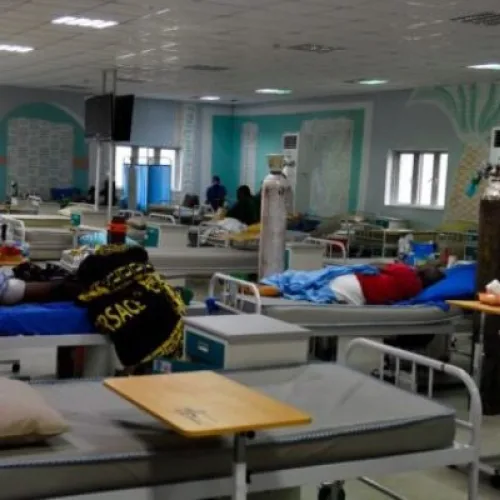
Every time a health tragedy dominates the headlines, we ask the same questions. Why wasn’t help available? Why didn’t the system work? How could this have happened?
These are important questions, but there is another one we rarely ask. Why have we accepted a culture where health only becomes a priority when something has already gone wrong?
Every major health tragedy typically follows the same script. A shocking incident captures public attention, social media is filled with outrage, expert interviews are conducted to dissect the tragedy, and collective clamour for policy reform dominates the news. Then, somewhere between one tragedy and the next, our attention moves on, the conversation fades, and the underlying issues remain exactly where we left them, waiting for another incident to remind us they exist.
Our public discourse understandably centres on hospitals, funding, and government accountability. Those conversations matter, but beyond the need for a resilient health system, we must also become a population that is prepared long before a crisis occurs, because personal responsibility cannot be outsourced.
We invest in our careers, save for our children’s education, retirement plan, and even prepare for power outages. Yet many of us move through life without knowing our blood pressure, having a trusted healthcare provider, recognising the warning signs of common medical emergencies, knowing how to perform CPR, or even keeping a stocked first-aid kit at home.
Contrary to popular belief, health preparedness is not about expecting the worst. It is about treating health the way we treat every other important part of life. We must normalise the habit of knowing our basic health numbers before symptoms force a diagnosis, having emergency contacts and a trusted healthcare provider before we need one, recognising early warning signs, adopting digital health tools while we are well, and seeing routine screenings and health insurance as investments in our future rather than optional expenses.
Read also:Firm bridges visa application gap for Nigerian applicants
According to TechCabal Insights’ State of Healthtech in Nigeria 2026 report, less than 10 percent of Nigerians are enrolled in any health insurance scheme, and digital health tools are most often adopted only when illness has already struck. Both are symptoms of the same underlying problem.
Improvisation has quietly become part of our health culture. Demanding better healthcare and taking greater personal responsibility go hand in hand. Stronger systems need informed, prepared citizens, just as prepared citizens deserve stronger systems.
The next time a health tragedy dominates the headlines, our response cannot end with temporary outrage or sympathy. It must force a more uncomfortable question: What are we doing differently before the next emergency arrives?
A healthier Nigeria will require better-equipped hospitals, better policies, and greater investment in healthcare, but it will also require a shift in how we think about our own health so that preparing for it becomes as normal as preparing for every other important part of our lives.
Oyinkansola Evboren is the Head of Corporate Communications at the Private Sector Health Alliance of Nigeria (PSHAN)
Ruth is a seasoned journalist and communications strategist with over a decade of experience telling impactful stories across environment, technology, entrepreneurship, business, and political economy. At BusinessDay, she leads editorial partnerships and content initiatives that deepen public understanding and spark meaningful conversations on issues shaping Nigeria’s socio-economic landscape. She holds an MSc in Mass Communication from the University of Nigeria, Nsukka, and a BSc in Mass Communication from Delta State University.

Comments
Start the conversation about this story.