





A chieftain of the ruling All Progressives Congress (APC) Umar D. Duhu, has criticised the emerging opposition coalition ahead of the 2027 general elections, describing it as a fragile alliance driven more by personal ambition than national interest.
Earlier in the week, a group of one hundred eminent opposition figures under the auspices of G-100 emerged with a proposal to present a single presidential candidate in 2027.
Responding to the development through a statement made available to Blueprint Wednesday in Abuja, Hon Duhu argued that the coalition’s push to rally under a single platform against the ruling APC “is already failing due to internal divisions and conflicting interests among key political figures.”
According to him, the coalition, initially led by the African Democratic Congress (ADC), has begun to unravel just months after its formation.
He noted that Peter Obi and Rabiu Kwankwaso exited the ADC in May, citing “endless court cases, internal battles, suspicion, and division,” and have since aligned with the Nigeria Democratic Congress (NDC).
“Analysts now say the agreement for a single candidate is on life support. The feared scenario has materialised — a fractured opposition that will cannibalise its own votes,” Duhu stated.
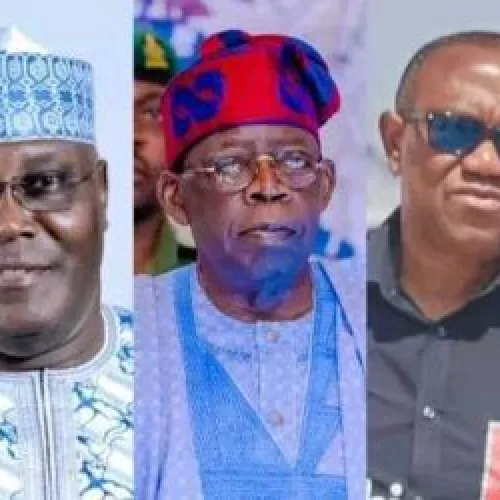
He further questioned the feasibility of a consensus candidacy, particularly regarding Atiku Abubakar, who he said is unlikely to step down after multiple presidential bids.
“After six attempts at the presidency, no politician invests that much political capital to step down voluntarily,” he argued.
Duhu also expressed doubts about Obi’s willingness to abandon the widely discussed “Southern presidency” arrangement, which many believe should guarantee the region eight years in power following the tenure of former President Muhammadu Buhari.
While Obi has reportedly proposed a single four-year tenure, Duhu said such a move could alienate his core support base in the South-East and South-South regions, as well as weaken his appeal among younger voters.
On the proposed G-100 initiative, Duhu described it as unrealistic, citing Nigeria’s entrenched ethnic and religious political dynamics.
“Nigeria’s elections are not won by communiqués. Religious and ethnic considerations still loom large,” he said.
He also highlighted institutional challenges facing the coalition, including legal disputes involving the ADC and the Independent National Electoral Commission (INEC), which he said undermine the credibility of any planned primaries.
Duhu added that competing ambitions among key figures such as Rotimi Amaechi, David Mark, Atiku, Obi, and Kwankwaso further weaken the possibility of unity.
“Within weeks of meeting to form a united front, cracks appeared. This shows that personal ambitions outweigh collective interest,” he noted.
He warned that the APC could capitalise on the opposition’s divisions, noting that a fragmented opposition would split votes, potentially allowing President Bola Tinubu to secure victory with a relatively low percentage.
Duhu concluded that informal agreements such as rotational arrangements or single-term pledges lack constitutional backing and are often abandoned once power is within reach.
“The coalition today is not about ideology or policy. It is about access to power,” he said. “Nigerians don’t need another merger of ambitions. We need a merger of ideas.”
He urged opposition leaders to focus on building strong institutions, resolving internal crises, and presenting clear policy alternatives rather than relying solely on anti-APC sentiment.
Comments
Start the conversation about this story.