





For many couples, conversations before marriage often revolve around genotype, blood group, finances and family values. However, one important health issue that is frequently overlooked is the Rhesus (Rh) factor.
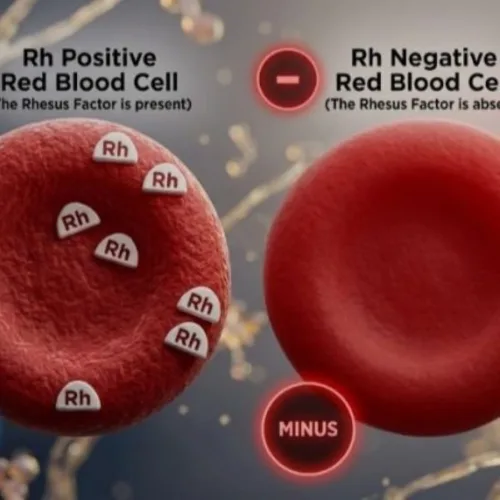
Although the Rh factor does not determine whether two people are compatible as partners, it can become important during pregnancy if an Rh-negative woman is carrying an Rh-positive baby.
When couples are unaware of their Rh status or misunderstand what it means, it can create unnecessary stress, confusion and disagreements.
In this article, Tribune Online highlights five ways poor understanding of the Rhesus factor can affect a relationship.
Blaming each other after pregnancy complications
Pregnancy loss or complications can be emotionally devastating. If a couple does not understand Rh incompatibility, one partner may wrongly blame the other for what happened.
In reality, Rh incompatibility is a medical condition that can often be prevented with appropriate antenatal care and treatment.
The fear that you cannot have healthy children together
Some couples become anxious after discovering that one partner is Rh-negative and the other is Rh-positive. Without proper medical advice, some wrongly believe they cannot have healthy children. The reality is that many couples with different Rh factors have healthy pregnancies when the mother receives appropriate antenatal care and anti-D immunoglobulin where indicated.
ALSO READ: 5 reasons you should never ignore mold in your home
Allowing myths influence your relationship
In some communities, people believe Rh incompatibility means a couple should not get married or cannot build a family together. Such misconceptions have caused unnecessary fear and relationship tension. Rh incompatibility is manageable and should not be used as the sole basis for relationship or marriage decisions. People with Rh incompatibility can still marry.
Arguing over antenatal care and treatment
Couples who do not understand Rh incompatibility may question the need for repeated blood tests or anti-D injections during pregnancy. This can lead to disagreements over medical advice or treatment.
Learning about the condition together helps both partners understand why these interventions are important for protecting future pregnancies.
Not knowing your Rhesus status can create unnecessary anxiety
Many couples only discover their Rh status during pregnancy. The uncertainty can cause unnecessary worry, especially when they have concerns with your healthcare provider and prepare for a healthy pregnancy with confidence.
Comments
Start the conversation about this story.