





Many seniors want to stay in their own homes and keep living life on their own terms. Yet, even ordinary everyday chores may result in some accidents that are hard to predict, such as falling in the washroom or losing control in the kitchen. In such instances, it is not always possible to get help in time, particularly when the individual is alone or unable to access a phone. Meanwhile, family members usually get anxious because they cannot respond promptly if something is wrong.
Because of these issues, new safety technologies are becoming more common in everyday life. They aim to identify the emergency at its early stage, establish contact with help, and shorten the queues in the case of an emergency. Through this type of assistance, elderly people are able to maintain their routine with less fear and greater confidence.
This article describes how these technologies function and how they make independent living safer.
1. Automatic Fall Detection That Responds When Every Second Matters

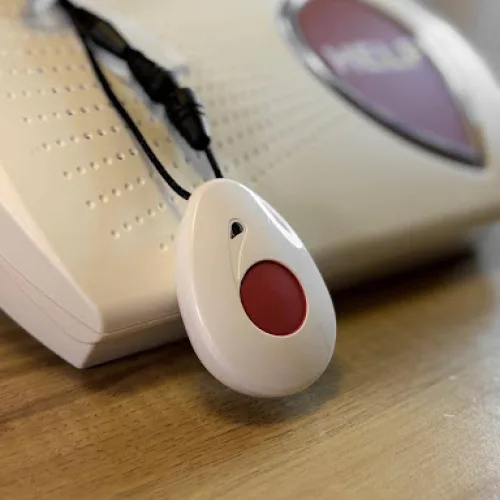
A growing number of people now rely on fall detection devices for seniors because automatic fall detection technology can identify a sudden fall without any manual action. This is crucial when one is injured, confused, or unable to press a button after falling. Waiting to be assisted in such situations can be dangerous, particularly when no one else is around.
These systems have sensors that monitor movement and body position during the day. In the event of a sudden fall or any other irregular impact, the system can automatically trigger an alarm to request help. As it requires no input, it still works even when the individual is unable to move or react.
On top of that, many falls occur in everyday settings such as bathrooms, bedrooms, and kitchens. Since the system responds instantly, it helps shorten the gap between the accident and the commencement of assistance. Such a faster response can be a significant difference when quick assistance is most required.
2. GPS Tracking That Extends Protection Beyond Home

Although it is safer to stay at home, walking, shopping, or socializing with other people are also common activities among seniors. At such times, GPS tracking technology is significant as it can be used to determine the precise position of an individual in case of an emergency. This is useful in scenarios where a person cannot communicate their position or provide a timely response, making it simple to let others know where help is required.
In case of an issue outside, emergency teams or relatives can see the location information instantly and get in touch with the individual immediately.
This minimizes uncertainty and assists in arriving at the right place within a shorter time span, even in an urgent situation. It is especially helpful in areas that are not familiar, where finding directions can take extra time.
Due to this enhanced security, the elderly can move around without the fear of being locked up in their living rooms. They can keep on with their daily routine and still have a dependable safety connection in the background. By doing so, GPS tracking helps to maintain independence and safer movement beyond the home.
3. Two-Way Communication That Connects Seniors to Immediate Help

After an alarm has been raised, effective communication is highly essential in knowing what is going on. Two-way communication technology makes this possible by allowing seniors to speak directly with a trained monitoring professional through the device. This eliminates the hassle of looking or calling on a phone when one is in a stressful situation.
The connection is automatically opened in case of sending an alert, and help can be provided at once. At that, the senior can explain what has occurred, how they feel, or what type of support they might require. Using this information, the responder decides whether to call family members or dispatch emergency services.
As someone is talking to them, it immediately makes the situation less overwhelming. Rather than trying to handle the confusion by themselves, they are guided and supported in real-time. This direct connection assists in ensuring that the response corresponds to the actual need in a clear and timely manner.
4. 24/7 Monitoring Services That Provide Continuous Peace of Mind

Around-the-clock support is essential because emergencies can happen at any time of day or night. 24/7 monitoring technology ensures that trained professionals are always available to respond when an alert is activated. This constant readiness removes the problem of waiting for help during off-hours.
Whenever a signal comes in, the monitoring team immediately checks the situation and follows a set response process. They may speak to the person through the device, contact emergency services, or inform family members, depending on the urgency. This structured response helps ensure nothing is missed.
Since the system never shuts off, seniors do not need someone physically present at all times to feel safe. They can continue living independently while still having access to help whenever it is needed. At the same time, families gain reassurance knowing that support is always in place.
Conclusion
Safety has become easier to manage with simple technology that fits into everyday life. Seniors can continue their daily routines with more confidence because support is available when something unexpected happens. This reduces stress in situations where quick action is needed and helps create a stronger sense of stability at home and outside.
At the same time, families gain reassurance knowing that help can be reached without delay. This balance of independence and support makes daily living safer and more comfortable, while allowing seniors to stay active and maintain their freedom.


Comments
Start the conversation about this story.