





Dolly Parton, who turned rags into a coat of many colours and wore it to the stars, has died in Nashville aged 80.
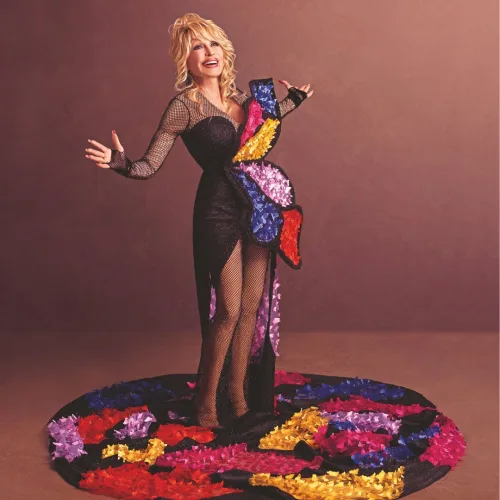
She was the girl from the one-room cabin in Locust Ridge who never forgot the feel of scrap cloth under her mother’s needle. In “Coat of Many Colors,” the song that reached farthest and sank deepest, especially in places like Nigeria, where its tale of patched pride still travels from radio to radio, she told of a winter coat stitched from the odds and ends no one else wanted.
The other children laughed. She wore it like a banner. That was the whole of her: the refusal to be ashamed of what little she had, and the determination to make it shine.
Born Dolly Rebecca Parton on 19 January 1946, the fourth of twelve children in a hardscrabble Appalachian household, she grew up where music was both prayer and escape. Her mother sang with a voice that haunted the hollows; her father worked the land that barely fed them. By six she was writing songs.
By the time she left for Nashville with a cardboard suitcase and a will of iron, the scrap-bag coat had already become metaphor and anthem.
The persona that followed was deliberate theatre: the cascade of full hair, the exaggerated curves she joked about, It was armour and invitation at once. Behind it stood a shrewd businesswoman who built an empire, an actress who made office drudgery glamorous in 9 to 5, a philanthropist who sent books to children who might otherwise never own one, and a songwriter whose “I Will Always Love You” and “Jolene” became part of the world’s shared vocabulary of longing and resolve.
She sold more than a hundred million records. She opened Dollywood so that the mountains that raised her might feed the people who still lived there. When a pandemic arrived, she put a million dollars toward a vaccine and then, characteristically, made light of the fuss.
She married Carl Dean in 1966 and kept the marriage private for nearly six decades until his death the year before her own. In the last stretch of her life, health faltered, kidney stones, systems “all out of whack,” cancelled shows, and still she insisted, with the same stubborn cheer that once faced down schoolyard mockery, that she was not finished yet.
On Tuesday her nephew Bryan Seaver announced that she had gone quietly. No cause was given. The flags came down. But the coat remains. In the places where her voice first arrived as a story of rags made beautiful, it is still being sung: not as nostalgia, but as proof that a life patched together with love and defiance can outlast the laughter and the cold. She wore it well.


Anthony Udugba is a seasoned entertainment business journalist at BusinessDay Media, boasting over four years of experience in the creative industry. With a proven track record of delivering insightful analysis and in-depth coverage, he leverages industry data, expert opinions, and stakeholder insights to craft compelling stories that shed light on the dynamic creative ecosystem.
Comments
Start the conversation about this story.