






Nigeria Health Watch has launched a tool to track and assess healthcare promises made by political parties and candidates ahead of Nigeria’s 2027 general elections, as it pushes for clearer and measurable commitments to the country’s health sector.
The organisation unveiled the Health Manifesto Tracker in Abuja on Tuesday during its Health as a Political Issue Breakfast Meeting, themed “Driving Accountability and Citizen Engagement Ahead of Nigeria’s 2027 Elections.”
The meeting brought together policymakers, political actors, civil society organisations, development partners, health advocates and media representatives to discuss how health can be positioned as a priority in political campaigns and governance ahead of the elections.
Manifesto tracker
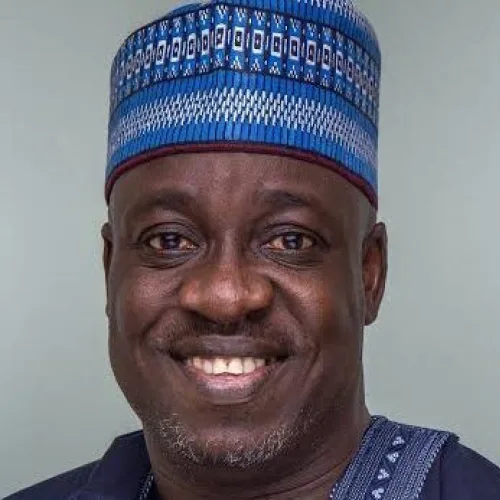
Speaking on the newly launched tracker, Solomon Oladimeji, Senior Manager, Monitoring and Evaluation at Nigeria Health Watch, said the tool would document, analyse and monitor health commitments made by political parties and candidates ahead of the 2027 elections.
Mr Oladimeji said the tracker would capture health-related commitments made during the election period and provide a basis for assessing whether they were specific, measurable and achievable.

“We want to be able to ensure that every health commitment that is made ahead of the 2027 election is captured, analysed and publicly reported,” he said.
He explained that the implementation of the commitments would be tracked after the elections in collaboration with partners, using publicly available government data, dashboards, advocacy and other sources.
According to Mr Oladimeji, the tracker would also provide an avenue for citizens to submit feedback and inquiries about health commitments made by political actors.
He said the organisation would assess the commitments made before the election and activate the implementation tracking component once elected officials assume office.
Giving an example of how the tracking process could work, Mr Oladimeji referred to the Health Sector Renewal Investment Initiative and its commitment to revitalise 17,000 primary healthcare centres.
He said publicly available dashboards and other sources of evidence could be used to determine the number of facilities revitalised and assess progress against government commitments.
Nigeria’s health spending remains low
In a separate presentation on health spending in Nigeria, Mr Oladimeji said inadequate government investment remained a major challenge to improving the country’s health outcomes.
He said the health sector received about 3.7 per cent of the 2026 national budget, well below the 15 per cent target set by African governments under the 2001 Abuja Declaration.
He added that state governments allocated an average of about 5.2 per cent of their budgets to health, while actual expenditure was lower.
According to Mr Oladimeji, the gap between budgetary allocations and actual expenditure further demonstrates the need for stronger political accountability in the health sector.
He said Nigeria’s poor health outcomes, including high maternal and under-five mortality, showed the consequences of inadequate political commitment to healthcare.
Mr Oladimeji also highlighted the financial burden of healthcare on households, saying many Nigerian families remained vulnerable to financial hardship because of the country’s high reliance on out-of-pocket payments.
“Most Nigerian families today are one illness away from a catastrophic financial situation,” he said.
He said Nigeria could learn from countries such as Rwanda and Thailand, which had made significant progress in improving their health systems through sustained political commitment, accountability and innovative approaches to healthcare financing.
‘Health is a political choice’
Speaking at the meeting, Vivianne Ihekweazu, Managing Director of Nigeria Health Watch, said the period leading to the 2027 elections offered Nigerians an opportunity to demand concrete commitments from those seeking public office.
Ms Ihekweazu described health as a political choice, saying government decisions on healthcare funding, access to medicines, maternal health, vaccination and health insurance directly affected the wellbeing of Nigerians.
She said political manifestos often contained broad promises to improve healthcare, reduce maternal mortality or expand health insurance, but frequently failed to state what would be done, how much would be invested, when the commitments would be delivered and how success would be measured.
“The gap between a promise and a measurable commitment is really central to our discussions today,” she said.
Reflecting on previous election cycles, Ms Ihekweazu said Nigeria Health Watch had implemented its Vote for Health Nigeria campaign ahead of the 2019 and 2023 elections, encouraging citizens to ask political aspirants about their plans for the health sector.
She said the organisation would build on those efforts ahead of 2027 by not only asking political candidates about their plans, but also documenting their responses and tracking their commitments after the elections.
READ ALSO: PT HEALTH WATCH: Sickle cell disease persists in Nigeria despite decades of awareness
‘Vote for health’
Meanwhile, Nigeria Health Watch is also taking the conversation to citizens through its #Vote4HealthNaija campaign, which seeks to make health a key issue in the 2027 general elections.
Speaking on the campaign, Asari Ndem, Senior Communications Officer at the organisation, said it was not for any political party or candidate but was aimed at getting citizens, the media, civil society organisations and political actors to pay greater attention to healthcare.
“Our ambition is straightforward. We want citizens, the media, civil society, policymakers and political actors talking about health. And we want those conversations to translate into meaningful commitments,” she said.
Ms Ndem urged Nigerians to ask political aspirants how they intended to make healthcare more affordable, strengthen primary healthcare, improve maternal health and provide health workers with the resources needed to perform their duties.
She also urged the media to go beyond reporting political rallies, personalities and political calculations by interrogating candidates about their health plans.
She said the campaign would use citizen stories, vox pops, media engagement, advocacy and digital platforms to ensure that the experiences of Nigerians remained central to conversations about healthcare.
“Ask about health, talk about health, demand commitments on health, track those commitments, and when the time comes, vote for health,” she said.
Discover more from Premium Times Nigeria
Subscribe to get the latest posts sent to your email.
Comments
Start the conversation about this story.