





Iran has set conditions for reopening the Strait of Hormuz, including compensation for war damages and the lifting of sanctions, as tensions continue over the strategic waterway crucial to global energy supplies.
Iranian Foreign Minister Abbas Araghchi said discussions with Oman on the transit and management of the strait were nearing their final stages but stressed that reopening the route would depend on additional conditions.
He said Iran was seeking compensation for what it described as violations of a June agreement.
“The reopening of Hormuz is subject to other conditions and compensation for the violation,” Araghchi said.
Security chief Mohammad Bagher Zolghadr also outlined demands for reopening the waterway, including an end to what he described as aggression against Iran and its allies in Lebanon, Palestine, Yemen and Iraq.
He further called for the lifting of a parallel US naval blockade, removal of sanctions, release of frozen Iranian assets and compensation for wartime damage.
Iran’s Revolutionary Guards said the reopening of the strait was separate from ongoing discussions between Iran and Oman, insisting that any agreement must accept Tehran’s conditions.
The developments come as shipping activity through the Strait of Hormuz has dropped significantly, with Iran accused of targeting vessels it believes are avoiding its preferred route through Iranian waters.
The United Arab Emirates on Saturday condemned what it described as a missile attack by Iran on a tanker belonging to the Abu Dhabi National Oil Company (ADNOC) while transiting the strait. No casualties were reported.
The United Kingdom Maritime Trade Operations (UKMTO) also reported that a vessel was struck by a projectile off Oman, causing a fire that was later extinguished. It was unclear whether the incident involved the same ship.
ADNOC had earlier said 15 of its vessels had been attacked in the strait since the start of the conflict, including three vessels targeted within the same week.
Oman condemned the continued attacks on ships passing through Hormuz while urging all sides to avoid actions that could disrupt ongoing negotiations.
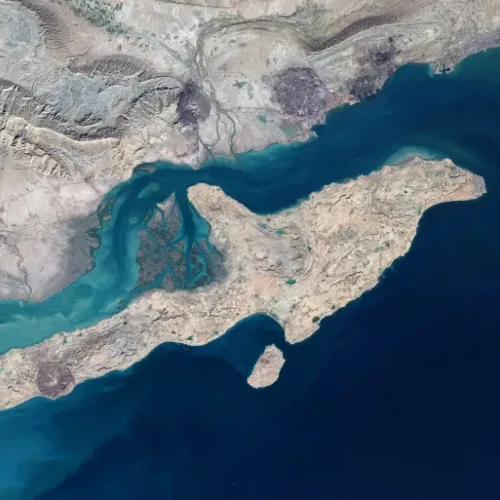
The Strait of Hormuz, one of the world’s most important energy shipping routes, remains a major focus of international concern due to its role in global oil and gas supplies.
Meanwhile, Turkey’s Foreign Minister Hakan Fidan said Egypt could join a defence agreement involving Turkey, Saudi Arabia and Pakistan, describing Cairo as a natural partner in regional security efforts.
Pakistan has said the agreement is designed to strengthen collective deterrence, with an attack against one member considered a threat against all.
Comments
Start the conversation about this story.