





The Oyo State Government has declared that breast milk remains irreplaceable, urging mothers to embrace exclusive breastfeeding while calling on fathers, employers, and communities to provide the support needed for successful breastfeeding.
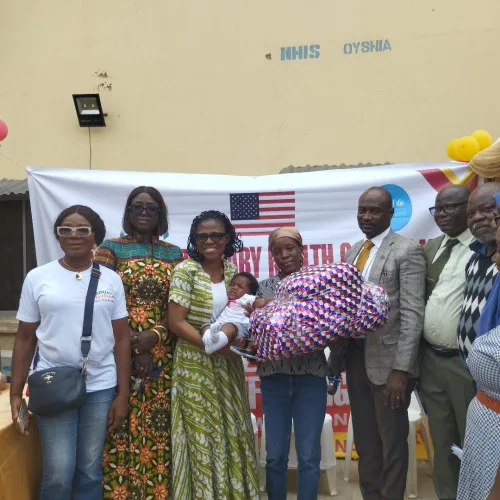
The Commissioner for Health, Dr Oluwaserimi Ajetunmobi, made the call while flagging off the 2026 World Breastfeeding Week at the Adeoyo Maternity Teaching Hospital, Yemetu, Ibadan.
Speaking on the theme, “Breastfeeding for a Sustainable Start in Life: Strengthen What Works”, Ajetunmobi said the state would continue to promote proven breastfeeding practices that improve child survival, reduce maternal deaths, and guarantee healthier futures for children.
“We know what works. Early initiation of breastfeeding works. Exclusive breastfeeding for the first six months works. Continuing breastfeeding alongside appropriate complementary feeding up to two years works. Support from husbands, families, workplaces and communities also works. Rather than searching for new solutions, we must strengthen what already works,” the commissioner said.
She stressed that no manufactured infant formula could match the nutritional and health benefits of breast milk, describing breastfeeding as the safest, most affordable, and life-saving intervention for newborns.
“You cannot buy breast milk. Even if families spend huge amounts on infant formula, it still cannot replace the unique protection and nutrition that breast milk provides,” she said.
According to the commissioner, exclusive breastfeeding protects babies against childhood killer diseases, including diarrhoea, pneumonia, and malnutrition, while strengthening their immunity and supporting healthy brain development.
She added that breastfeeding also benefits mothers by reducing the risks of postpartum haemorrhage, breast and ovarian cancers, and Type 2 diabetes.
ALSO READ: Malaria still affecting newborns in Nigeria — Study
Ajetunmobi identified short maternity leave, inadequate workplace support, misleading information, aggressive marketing of breast milk substitutes, and limited access to skilled breastfeeding counselling as major barriers preventing many women from breastfeeding successfully.
She therefore appealed to employers in both the public and private sectors to create breastfeeding-friendly workplaces by providing maternity protection, nursing breaks, flexible work arrangements, and safe spaces for expressing breast milk.
She also urged mothers to attend antenatal, postnatal, and child welfare clinics regularly, noting that routine growth monitoring enables healthcare workers to detect malnutrition early and provide timely intervention.
According to her, breastfeeding is an investment in national development because healthy children grow into productive adults, reduce healthcare costs, and contribute to sustainable economic growth.
Also speaking, the Executive Secretary of the Oyo State Primary Health Care Board, Dr Muyideen Babatunde Olatunji, identified exclusive breastfeeding as one of the most effective strategies for reducing child stunting and improving child nutrition in Oyo State.
Olatunji said sustaining a strong breastfeeding culture requires continuous education and support for mothers across the state’s primary healthcare facilities, explaining that breastfeeding education begins during antenatal care, where expectant mothers are taught breast care, the importance of initiating breastfeeding within the first hour of birth, and proper infant feeding practices.
He added that routine child welfare clinics across primary healthcare centres provide continuous counselling for nursing mothers, contributing to a significant reduction in child stunting, one of the most severe forms of chronic malnutrition.
The Chairperson of the Nutrition Society of Nigeria (NSN), Oyo State Chapter, Dr Oluyemisi Folake Folasire, also urged mothers to initiate breastfeeding within the first hour after delivery and practise exclusive breastfeeding for the first six months of life to improve child survival and maternal health.
Folasire, a Consultant Family Physician at the University College Hospital (UCH), Ibadan, said breast milk provides complete nutrition and vital immune protection that shields babies from infections while also helping mothers recover after childbirth by reducing the risk of postpartum haemorrhage.
She dismissed the belief that some women do not produce enough breast milk, explaining that frequent breastfeeding, adequate nutrition, and proper hydration naturally stimulate sufficient milk production.
She encouraged mothers to seek professional guidance whenever they encounter breastfeeding challenges, stressing that with the right support, virtually every mother can breastfeed successfully.
Comments
Start the conversation about this story.