





Oil prices have been pulled between two competing forces as tanker traffic through the Strait of Hormuz falls sharply while less visible vessel movements and rising US inventories limit the extent of the rally.
Brent crude rose above $89 per barrel before retreating to $88.62, while West Texas Intermediate traded at $82.18, as traders weighed the risk that worsening disruption around the Strait could tighten global oil supplies.
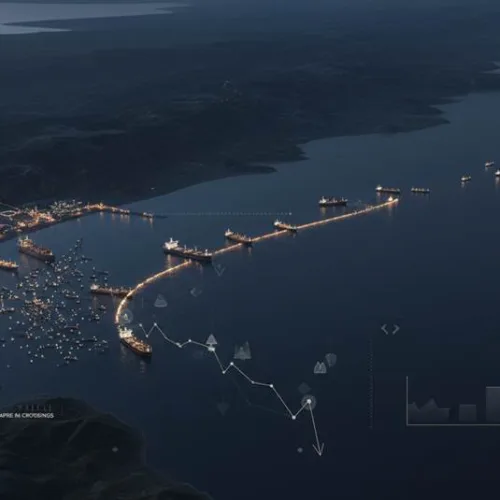
Only five commodity vessels crossed the Strait of Hormuz on Saturday, compared with 31 tankers during the previous weekend, according to Kpler data cited by Reuters. No commodity vessels were scheduled to transit the waterway on Sunday.
The decline is significant because Hormuz is a critical route for global energy shipments. A sustained reduction in tanker movements could constrain the flow of crude and petroleum products, forcing traders to price a larger supply-risk premium into oil.
Read also: BOI shifts strategy to domestic capital markets with N250bn issuance
However, the visible collapse in traffic does not necessarily mean that oil flows have fallen by the same magnitude.
Kpler’s figures exclude vessels travelling through the Strait with their transponders switched off, while Bloomberg has reported that tankers moving in and out of Hormuz in so-called “dark mode” are continuing to transport cargoes.
That creates a critical uncertainty for the market: how much of the apparent collapse in Hormuz traffic represents a genuine loss of oil supply, and how much reflects a loss of visibility?
The distinction could determine whether Brent can sustain a move above $90 per barrel.
Oil has already gained about 5 percent over the past week as reports of slowing traffic through Hormuz have coincided with attacks on energy-related vessels and infrastructure.
The United Arab Emirates accused Iran of attacking three ADNOC tankers last week, while Yemen’s Houthis said they had struck an Aramco refinery in Jazan. The incidents have heightened fears that the conflict could spread from shipping routes to energy infrastructure, increasing the risk of a more sustained disruption.
Diplomatic developments have added to the pressure.
Abbas Aragchi, Iranian Foreign Minister, said during the weekend that Tehran was not planning peace talks with the US.
The statement weakened expectations of a near-term diplomatic breakthrough and encouraged traders to restore the geopolitical premium that had previously been removed from oil prices.
“Oil prices have now rebounded almost completely from the lows seen in early August, as hopes for a more permanent resolution between the US and Iran have faded and geopolitical risk premiums have returned to the market,” said Priyanka Sachdeva, an analyst at Phillip Nova, according to Reuters.
The US president’s warning that Americans would have to live with higher petrol (gasoline) prices for the time being also underlined the potential economic consequences of the disruption.
However, the oil market has not responded with an unrestricted price surge.
The continued movement of tankers with their transponders off suggests that physical supplies may not have been reduced as severely as conventional shipping data indicates.
If these vessels are carrying substantial volumes through Hormuz, the market could be facing a visibility problem rather than an equivalent collapse in physical supply.
A large build in US crude inventories is providing another restraint. The inventory increase points to ample supplies in the world’s largest oil market, offsetting some of the bullish impact of the Middle East disruption.


Comments
Start the conversation about this story.